Wondering what kind of home you are really looking at in Berkeley? A house here is not just a set of bedrooms and baths. Its style often tells you how it lives, what it may need over time, and what kinds of updates could be simple or more involved. If you want to understand Berkeley homes with more confidence, this guide will help you read the basics of bungalows, brown-shingle houses, midcentury modern homes, and newer infill. Let’s dive in.
Why home style matters in Berkeley
In Berkeley, architectural style is closely tied to how a home was built, how it functions, and what ownership may involve. A Craftsman bungalow often brings a compact layout and strong porch presence, while a brown-shingle home may have a more custom plan and more exterior upkeep.
Style also matters because Berkeley now has a Middle Housing zoning framework in many residential areas. As of June 2026, qualifying projects such as backyard units, added bedrooms, duplexes, and other small-scale multi-family projects may move through a faster approval path, with lower fees than older discretionary permits. That means buyers and sellers often need to think about both design character and permit context at the same time.
Craftsman bungalows in Berkeley
What defines a Craftsman bungalow
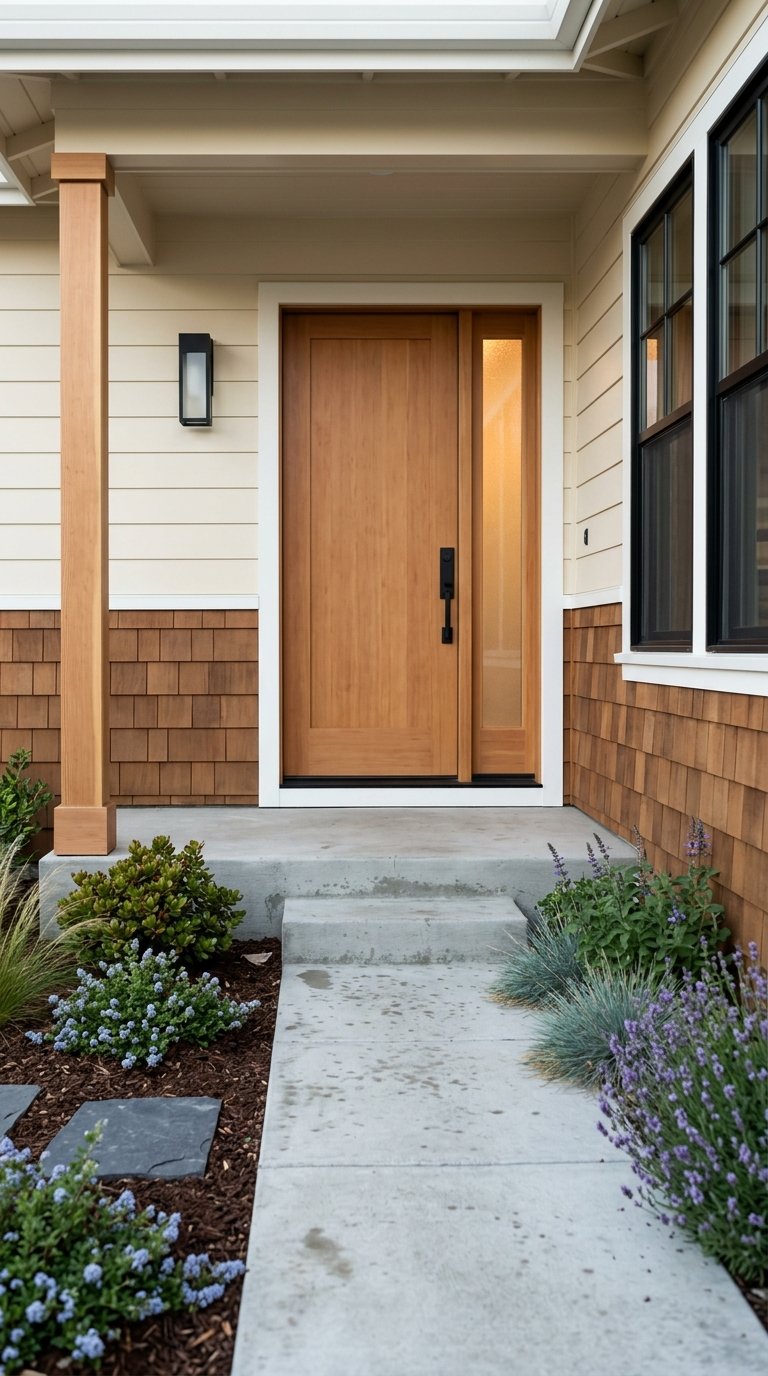
Craftsman bungalows in California are usually one to two stories with broad, gently pitched gables. You will often see one main gable over the house and a lower gable over the porch, along with overhanging eaves and a simple roof shape.
Inside, these homes often reduce hallways and favor a more open flow between main rooms. Natural materials and stained woodwork are closely associated with the style, and the overall feel is usually modest, practical, and connected to the lot.
What buyers should notice
In Berkeley, many bungalows sit on smaller lots, so proportion matters. The porch, window rhythm, and original wood trim often carry much of the home's visual character.
When you tour one, focus on scale and layout as much as cosmetic updates. These homes are often loved for their efficient footprints and welcoming street presence, not for oversized rooms or elaborate ornament.
What owners should plan for
If the home was built before 1978, painted trim, windows, doors, stairs, and porch surfaces may present lead-paint risk areas. If paint is deteriorating or renovation work will disturb painted surfaces, lead-safe practices matter.
For practical planning, this is where a clear pre-sale or pre-purchase improvement strategy can make a difference. Knowing which repairs are cosmetic and which require certified handling can help you budget more accurately and avoid surprises.
Brown-shingle and First Bay Tradition homes
What makes them distinct
Berkeley is especially known for brown-shingle homes tied to the First Bay Tradition, a regional style popular from about 1880 to 1917. These homes are often two to three stories with asymmetrical plans, projecting bays, porches, steep gable or gambrel roofs, divided-light wood windows, and prominent chimneys.
The name suggests unpainted wood shingles, but city records note that painted shingles can also fit the style. What really sets these homes apart is the broader design language and their strong local identity.
Why no two feel exactly alike
Unlike more standardized housing types, many Berkeley brown-shingle homes were custom-designed. City records describe them as tailored responses to owners’ living needs, which helps explain why two homes with similar exteriors may have very different floor plans, entries, and interior circulation.
This custom quality is one reason these homes often feel special to design-minded buyers. It also means renovations can be less predictable, since original details and layout choices vary so much from one property to the next.
What maintenance can involve
When wood shingles are part of the roof system, upkeep can be more demanding. Wood-shingle roofs need regular inspection, cleaning, and periodic replacement over time.
It is also important not to aggressively power-wash them. When repairs are needed, matching the original shingle size, texture, and installation pattern helps preserve the home’s character.
Midcentury modern homes in Berkeley
Key midcentury features
Berkeley’s midcentury modern homes often focus on openness, post-and-beam construction, and a strong indoor-outdoor connection. You may see butterfly roofs, broad areas of glass, deep overhangs, and plans that feel organized around light and views.
In these homes, design usually comes from proportion and structure rather than ornament. Roof geometry, glazing, and site orientation often do much of the visual work.
How they live differently
A midcentury home often feels more open than an earlier period house. Walls of glass, cutouts, and fewer visual barriers can create a sense of flow that appeals to buyers who want light-filled spaces and a stronger connection to patios, gardens, or hillside outlooks.
That said, these homes can be sensitive to changes. Replacing windows, altering exterior shading, or changing rooflines may significantly affect the original design intent.
Common upkeep priorities
The maintenance focus here is different from what you might expect in a bungalow or brown-shingle house. Roof care, gutters, downspouts, flashing, and venting all matter because moisture and water intrusion can affect both performance and durability.
Berkeley’s wildfire guidance also highlights roofs, eaves, windows, and vents as key home-hardening points. For hillside or exposed properties, buyers should pay close attention to those areas during due diligence.
Newer infill and modern builds
What counts as newer infill
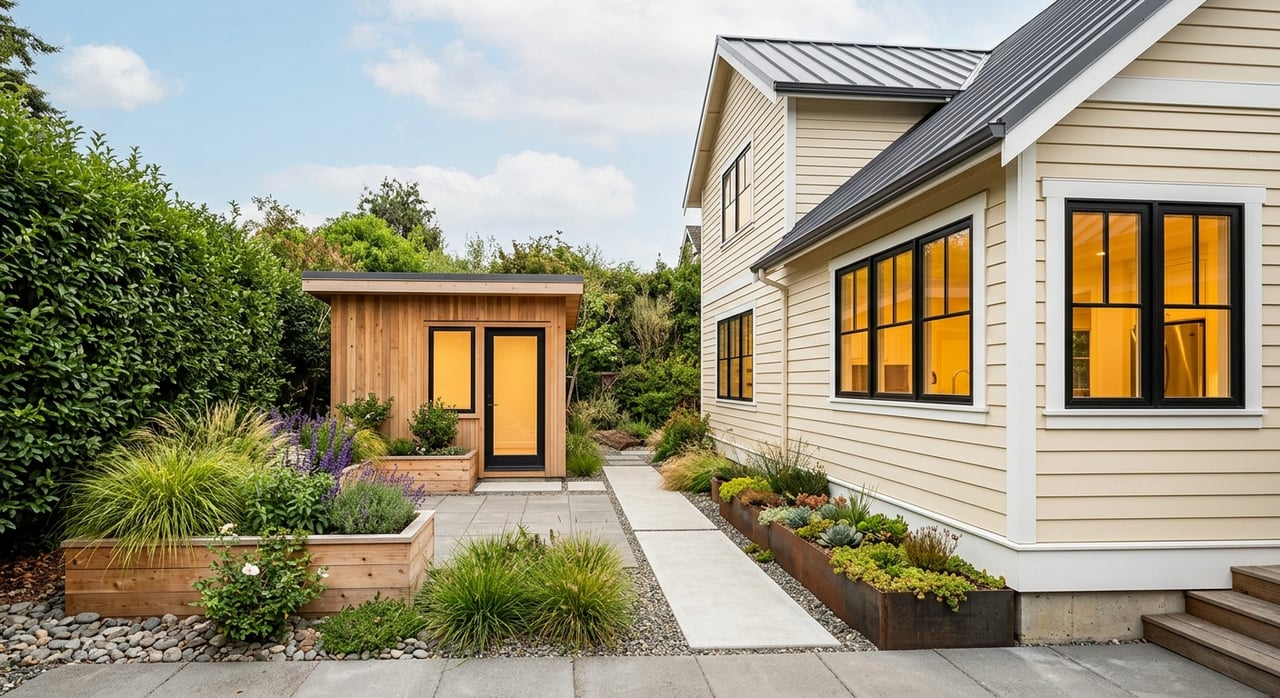
Not every Berkeley home fits a historic label. Newer infill includes recently built homes, backyard units, duplex-scale additions, and other code-driven residential projects that respond to today’s land use rules and tighter lots.
As of June 2026, Berkeley’s Middle Housing changes apply to most residential neighborhoods. The city says qualifying projects may be processed in as quickly as 30 days, with fees 50% to 75% lower than under the older discretionary process.
What buyers and sellers should know
The current framework allows options such as backyard units, additional bedrooms, duplexes, and other small-scale multi-family housing, with a 35-foot height limit. The program does not apply in high fire hazard areas in the Berkeley Hills.
This matters if you are comparing homes not just by current layout, but by future flexibility. A property’s expansion potential may depend on zoning, fire-area status, lot conditions, and other local constraints.
Why local review still matters
Berkeley layers local rules on top of state building code. Some regulations apply only in hillside fire zones, creek buffer zones, and Environmental Management Areas.
There is also a preservation layer for certain older homes. If a property is a designated landmark, proposed exterior alterations must go through Landmarks Preservation Commission approval before building permits are considered.
Buyer considerations across all styles
Check for historic status
In Berkeley, a style label can hint at possible review requirements, but it does not confirm them. Before planning exterior work, confirm whether a property has landmark or structure-of-merit status, or whether it sits in a historic district.
That simple step can shape your renovation timeline, design choices, and permit path. It can also help you avoid building plans around assumptions that do not match local review rules.
Think about seismic readiness
Many Berkeley homes were built long before current seismic expectations. The city states that some older building types are required to retrofit, and it also advertises funding help for seismic upgrades.
Current city information includes reimbursement of up to $3,000 for home retrofits, with full cost coverage available for some income-eligible projects. For many buyers, that makes seismic review part of the real cost picture, not just a future maybe.
Review wildfire hardening needs
Berkeley recommends Class A fire-rated roofs, enclosed eaves, dual-pane tempered windows, metal mesh for vents and gutters, and a 5-foot nonflammable buffer around the home. These recommendations are especially important in higher-risk hillside areas.
Even if you are buying for style and charm, resilience matters too. Features that improve fire resistance can also influence insurance conversations, maintenance planning, and long-term peace of mind.
Plan for renovation scope carefully
Style gives you clues about renovation complexity. A bungalow may need lead-safe work and trim preservation, a brown-shingle house may need more specialized exterior maintenance, and a midcentury home may require careful attention to rooflines and original glazing patterns.
That is one reason thoughtful project planning matters so much in Berkeley. Whether you are buying, preparing to sell, or evaluating an investment property, a solid plan can help you protect design character while making practical improvements.
How this helps you buy or sell smarter
If you are buying in Berkeley, understanding style helps you look past surface finishes. You can better judge how a home is likely to live, what maintenance it may need, and whether future changes could be straightforward or tightly reviewed.
If you are selling, style literacy helps you decide where improvements are worth the effort. The right preparation can highlight character, reduce buyer uncertainty, and position your home more clearly in a market where architecture often shapes value.
Berkeley homes reward buyers and sellers who pay attention to both beauty and mechanics. If you want help evaluating a period home, planning strategic updates, or preparing a property for market with a renovation-minded approach, connect with Andrew Pitarre.
FAQs
What is a Craftsman bungalow in Berkeley?
- A Berkeley Craftsman bungalow is typically a one- to two-story home with broad low-pitched gables, overhanging eaves, a prominent porch, and an efficient layout with simple, natural materials.
What is a Berkeley brown-shingle home?
- A Berkeley brown-shingle home is usually part of the First Bay Tradition, with features such as shingle cladding, asymmetrical massing, steep roofs, projecting bays, and a custom-designed plan.
What defines a Berkeley midcentury modern home?
- A Berkeley midcentury modern home often emphasizes open-plan living, post-and-beam structure, large glass areas, deep overhangs, and strong indoor-outdoor connections.
What are Berkeley Middle Housing zoning changes?
- Berkeley’s Middle Housing changes, effective as of June 2026, allow faster approval paths in many residential areas for projects like backyard units, added bedrooms, duplexes, and other small-scale multi-family housing.
Why does historic status matter for Berkeley homes?
- Historic status matters because designated landmarks and some other protected properties may require local review for exterior changes before building permits can move forward.
What safety upgrades should Berkeley homebuyers consider?
- Berkeley buyers should review potential lead-safe renovation needs in pre-1978 homes, seismic retrofit needs in older properties, and wildfire-hardening features such as roofs, eaves, windows, and vents.