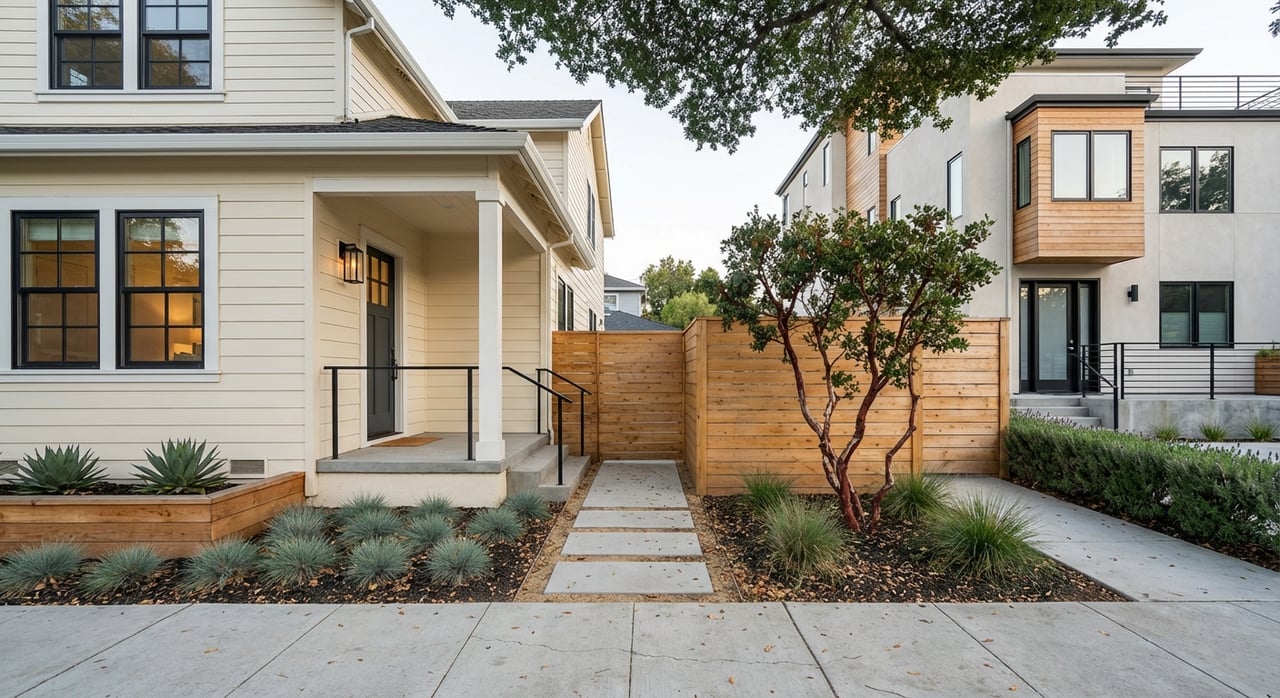
Trying to decide between a house and a condo in Berkeley? You’re not alone. With prices high and inventory tight, the right choice comes down to how you want to live, what you want to spend each month, and how hands-on you want to be with maintenance. In this guide, you’ll see how costs, rules, financing, and neighborhoods differ so you can choose with confidence. Let’s dive in.
Berkeley market at a glance
Recent snapshots put Berkeley’s citywide median sale price around $1,350,000 as of January 2026, with typical home values in a similar range. Detached single-family homes often sell above the city median while many condos trade below it, though some newer or central units still exceed $1 million. Use these as baseline context, then confirm prices for the exact neighborhood and property type you’re targeting before you write an offer.
What you actually own
HOA structure, fees, and rules
Most condos are part of a common-interest development with an HOA that manages shared systems and exterior areas. In California, HOAs follow the Davis-Stirling Act, which sets rules for governance, disclosures, and reserve planning. Before you buy, review the HOA resale packet, including the operating budget, reserve study, meeting minutes, insurance certificate, and any pending special assessments. See the California Attorney General’s overview of HOAs for what to expect in disclosures and governance details. You can read that guidance in the state’s resource on homeowner associations.
Monthly dues vary widely. Industry reporting shows many urban condos in California charge about $300 to $500 per month, while amenity-heavy or elevator buildings can exceed $800 to $1,000. Single-family homes without an HOA avoid monthly dues but come with variable maintenance costs instead. Learn more about average HOA fee ranges from a statewide overview of HOA fees in California.
- California HOA overview: https://oag.ca.gov/consumers/general/homeowner_assn
- Average HOA fees in California: https://www.fsresidential.com/california/news-events/articles/average-hoa-fees-in-california
Maintenance: who handles what
In a condo, the association generally covers common areas and shared systems. You, the unit owner, are responsible for your separate interest and often certain exclusive-use areas, but the exact split depends on the CC&Rs and condo plan. The key is to read the governing documents and ask your agent to highlight maintenance responsibilities before you remove contingencies. A concise legal index on maintenance responsibilities is available here: https://findhoalaw.com/category/topic-index/maintenance
Owning a house gives you control over timing and scope of work, but you assume all exterior upkeep and capital projects. Think roof, paint, landscaping, drainage, and driveways. That can mean higher variability in costs and more weekend projects.
Insurance differences
Condo buyers typically carry an HO-6 policy that covers interior finishes, personal property, liability, and loss-assessment coverage, while the HOA insures common areas and sometimes parts of the building shell. House owners usually carry an HO-3 policy covering the dwelling and other structures. For condos, always confirm whether the HOA master policy is “all-in” or “bare walls,” then tailor your HO-6 accordingly. Loss-assessment coverage can be critical if an HOA levies an assessment after a major claim. For a plain-English walkthrough, see this condo insurance guide: https://www.forbes.com/advisor/homeowners-insurance/condo-insurance
Financing and resale for condos vs houses
Condo loans can be more complex than house loans because lenders often need the project to meet Fannie Mae or Freddie Mac eligibility before standard programs apply. If a project is not eligible, you may face a higher down payment, fewer lender options, or slower closings while the lender performs a project review. Review Fannie Mae’s condo project requirements here: https://singlefamily.fanniemae.com/job-aid/loan-delivery/topic/condo_co-op_requirements_table.htm
If you’re considering FHA financing, check whether the condo is on HUD’s approved list. You can search projects here: https://entp.hud.gov/idapp/html/condlook.cfm
Single-family homes typically do not face project-level reviews, so financing is usually more straightforward. Either way, confirm your loan options early in your search so you can write a clean, competitive offer when the right property appears.
Property taxes in Alameda County
In California, Proposition 13 caps annual assessed value increases to 2 percent, except when a property changes ownership, which triggers reassessment to the purchase price. The base ad valorem tax rate is 1 percent, and local voter-approved bonds and assessments are added on top. In Alameda County, many owners see an effective rate near 1.1 to 1.2 percent depending on local add-ons. After you close, expect a supplemental tax bill as the county updates your assessment.
- Alameda County Assessor tax overview: https://www.acassessor.org/homeowners/about-property-assessment/estimating-your-taxes
Sample annual tax math:
- Condo purchased at $900,000 at 1.15 percent effective rate: about $10,350 per year.
- House purchased at $1,400,000 at 1.15 percent effective rate: about $16,100 per year.
These figures are examples, not quotes. Your actual tax bill depends on your assessed value and your property’s tax rate area.
Neighborhood fit: where each shines in Berkeley
North Berkeley, Gourmet Ghetto, Thousand Oaks
These areas blend walkable streets with access to markets and dining, plus a mix of small to mid-size houses and some low-rise condo buildings. If you want daily errands on foot with strong transit options nearby, this mix can work well. Explore neighborhood context here: https://www.berkeleyside.org/berkeley-neighborhoods
Elmwood, Claremont, South Berkeley
Tree-lined streets and period homes define much of the single-family inventory here. You’ll find more house options and yards, along with straightforward access to neighborhood retail corridors. Expect single-family premiums in certain micro-areas. See an overview of nearby neighborhoods from UC Berkeley’s guide: https://uc-berkeley.helpscoutdocs.com/article/214-berkeley-neighborhoods-nearby-east-bay-communities
Downtown, Fourth Street, West Berkeley
These zones offer more condos, townhomes, and loft conversions, with strong walkability to shops and BART. If you prefer a low-maintenance lifestyle and a car-light commute, condo living here can be a fit.
- BART station info: https://www.bart.gov/stations
Berkeley Hills, Panoramic Hill
Hillside neighborhoods tend to be single-family territory with scenic outlooks. The lifestyle leans more car-oriented, and you should consider insurance implications for hillside or wildfire-exposed areas. Condo options are limited here.
Parking and permits
If you plan to rely on street parking, review the City’s Residential Preferential Parking program. Permits are tied to your license plate, with visitor options and per-address limits. Check whether your block is eligible and budget the annual fee.
- Resident Parking Permits: https://berkeleyca.gov/city-services/parking/resident-parking-permits
Risk checks for condo buyers
SB-326 balcony and exterior inspections
California’s SB-326 requires condominium associations to inspect balconies and other exterior elevated elements on a schedule, then plan any needed repairs. This can affect HOA budgets, reserves, and the timing of capital projects. Ask whether inspections and any follow-up work are complete, and review related minutes and budgets before you waive contingencies. Details on SB-326 are here: https://www.davis-stirling.com/HOME/E/Elevated-Structure-Inspections-SB-326-Balconies-Stairs
Condo conversion, rent control, and rentals
Berkeley has strict rules on condominium conversion and an active Rent Stabilization Board. If you plan to rent your unit or buy as an investment, confirm current policies on rentals and protections before you proceed. Start with the Berkeley Rent Board’s updates and contact the City for current rules.
- Berkeley Rent Board news and resources: https://rentboard.berkeleyca.gov/elected-rent-board/news/berkeley-rent-board-and-anti-eviction-mapping-project-release-new-report
House vs condo: monthly cost snapshots
Your monthly carry depends on price, taxes, insurance, utilities, and either HOA dues or maintenance. Here is a simplified look at non-mortgage costs using local tax guidance:
Sample Berkeley condo at $900,000
- Property tax at 1.15 percent: about $10,350 per year, or $862 per month
- HOA dues: use the building’s actual budget, but many urban condos run $300 to $1,000 per month depending on amenities
- HO-6 insurance: varies by unit and coverage
Sample Berkeley house at $1,400,000
- Property tax at 1.15 percent: about $16,100 per year, or $1,342 per month
- No HOA dues in most cases
- HO-3 insurance and ongoing maintenance: budget seasonally for roof, paint, landscaping, and systems
These examples do not include mortgage payments or utilities. Always plug in the real dues, tax rate details, and insurance quotes for the property you choose.
Which fits your plans? A quick checklist
- Budget and entry cost
- If your down payment is limited, a condo may offer an earlier entry point. Confirm financing options early, since some condo projects need special review.
- Monthly cost tolerance
- Houses bring variable maintenance but no HOA dues. Condos bring predictable dues but potential special assessments. Compare apples to apples using the building’s latest budget and reserve study.
- Time and DIY appetite
- Prefer fewer weekend projects? A condo reduces exterior upkeep. Want a yard or more control over remodeling? A house may be better. Remember that condo remodels often need HOA architectural approvals.
- Commute and lifestyle
- For car-light living near BART and shops, focus on Downtown or Fourth Street corridors. If you want more space or a yard, explore Elmwood, Claremont, and the Hills.
- Investment horizon
- If you plan to rent, check HOA rental rules and the local rental framework. If you plan to occupy long term, weigh neighborhood resale patterns and long-term maintenance needs.
How to vet an HOA before you buy
Review these items with your agent during the contingency period:
- Most recent 12-month operating budget and year-to-date financials.
- Reserve study and percent funded for major components.
- Meeting minutes for the past 6 to 12 months.
- Master insurance policy and deductible, plus evidence of loss history or claims.
- Litigation disclosures and percentage of owners who are delinquent on dues.
- Any special assessments approved or under discussion.
Use the California HOA overview for what to request in the resale packet: https://oag.ca.gov/consumers/general/homeowner_assn
How to check condo financing eligibility
- Conventional loans: Ask your lender to confirm Fannie Mae or Freddie Mac project eligibility and whether a limited or full review is needed. Reference the Fannie Mae project requirements here: https://singlefamily.fanniemae.com/job-aid/loan-delivery/topic/condo_co_op_requirements_table.htm
- FHA loans: Search the project on HUD’s FHA condo lookup and confirm status: https://entp.hud.gov/idapp/html/condlook.cfm
- Practical tip: Start this review as soon as you are serious about a building so financing timelines do not delay your closing.
Ready to compare homes in your target neighborhoods?
Choosing between a house and a condo in Berkeley is about fit, not just price. If you want walkability and simple upkeep, a condo near BART may be the move. If you value privacy, outdoor space, or future expansion, a house could serve you better. Either way, the right advisor will help you weigh costs, rules, and long-term plans.
If you’re ready to see on-market options and real numbers for your shortlist, connect with Andrew Pitarre for a tailored side-by-side and a clear next step. Start Your Transition — Request a Free Home Valuation & Renovation Plan.
FAQs
What is the median home price in Berkeley right now?
- Recent snapshots show a citywide median sale price around $1,350,000 as of January 2026. Always confirm the latest neighborhood data before making offers.
How do HOA dues work for Berkeley condos?
- Dues fund building operations and reserves. Many California condos run $300 to $500 per month, while amenity or elevator buildings can exceed $800 to $1,000. Review the HOA budget, reserve study, insurance, minutes, and any special assessments before you buy. See the state’s HOA overview and a roundup on average fees for context.
What does SB-326 mean for condo buyers?
- SB-326 requires inspections of exterior elevated elements like balconies on set timelines. It can increase near-term repair costs or trigger projects that affect dues. Ask whether your building completed inspections and how repairs are funded. Learn more here: https://www.davis-stirling.com/HOME/E/Elevated-Structure-Inspections-SB-326-Balconies-Stairs
How are Berkeley property taxes calculated after I buy?
- Your assessed value resets to your purchase price, then typically increases up to 2 percent per year under Proposition 13. The base rate is 1 percent plus local bonds and assessments, which often brings the effective rate near 1.1 to 1.2 percent. See the Alameda County Assessor’s guide: https://www.acassessor.org/homeowners/about-property-assessment/estimating-your-taxes
Can I use FHA financing to buy a condo in Berkeley?
- Possibly. The project must appear on HUD’s approved condo list or meet eligibility through a spot approval process where applicable. Check the building here: https://entp.hud.gov/idapp/html/condlook.cfm
What should I review before buying into a condo HOA?
- Review the operating budget, reserve study, meeting minutes, insurance certificate, litigation disclosures, delinquency rate, and any special assessments. The California Attorney General’s HOA page outlines what to request: https://oag.ca.gov/consumers/general/homeowner_assn
Is parking straightforward near downtown Berkeley condos?
- Many blocks fall under the City’s Residential Preferential Parking program. Check if your street is eligible, how many permits are allowed per address, and the annual fee. Details are here: https://berkeleyca.gov/city-services/parking/resident-parking-permits