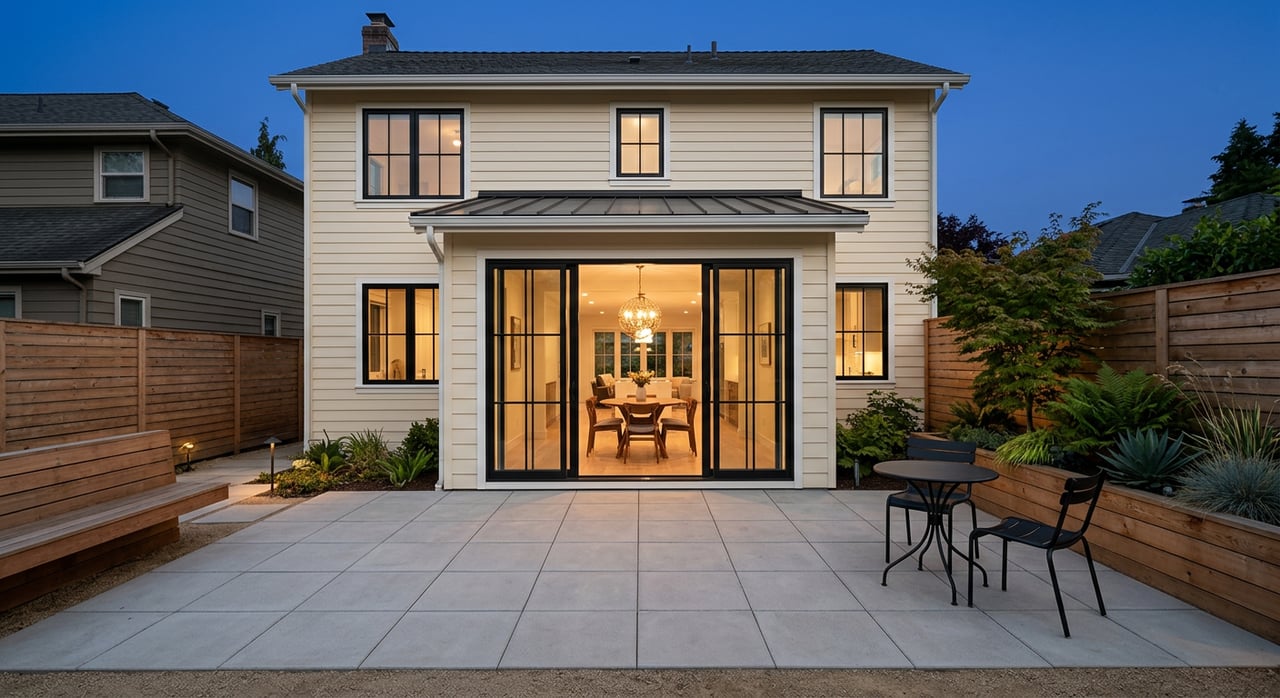
Looking for a Bay Area spot where weekend beach days, bikeable streets, and an easy San Francisco commute actually line up? Alameda often rises to the top for families because it mixes small‑town island charm with real city services, neighborhood schools, and plenty of shoreline. If you are weighing a move, you want clear answers on neighborhoods, schools, prices, parks, and commute options. This guide gives you a local, family‑focused look at how life works on the island so you can choose with confidence. Let’s dive in.
Island feel, real city services
Alameda is an island city with a connected, small‑town vibe. City materials describe a community of roughly 80,000 residents and about 400 acres of parks and recreation facilities, which helps explain why daily life here feels active and family‑friendly. You will find most errands, playgrounds, and shoreline walks within a short bike ride or drive. Park Street and Webster Street anchor local shopping and dining, and many neighborhoods have their own pocket parks and play spaces.
For families, that scale matters. It is smaller than nearby Oakland and San Francisco yet large enough to support full city services, a dedicated recreation department, and community events that draw neighbors together. You can get to know your barista and your kid’s soccer coach, then still grab a fast ferry to the city when work calls.
Neighborhoods and homes at a glance
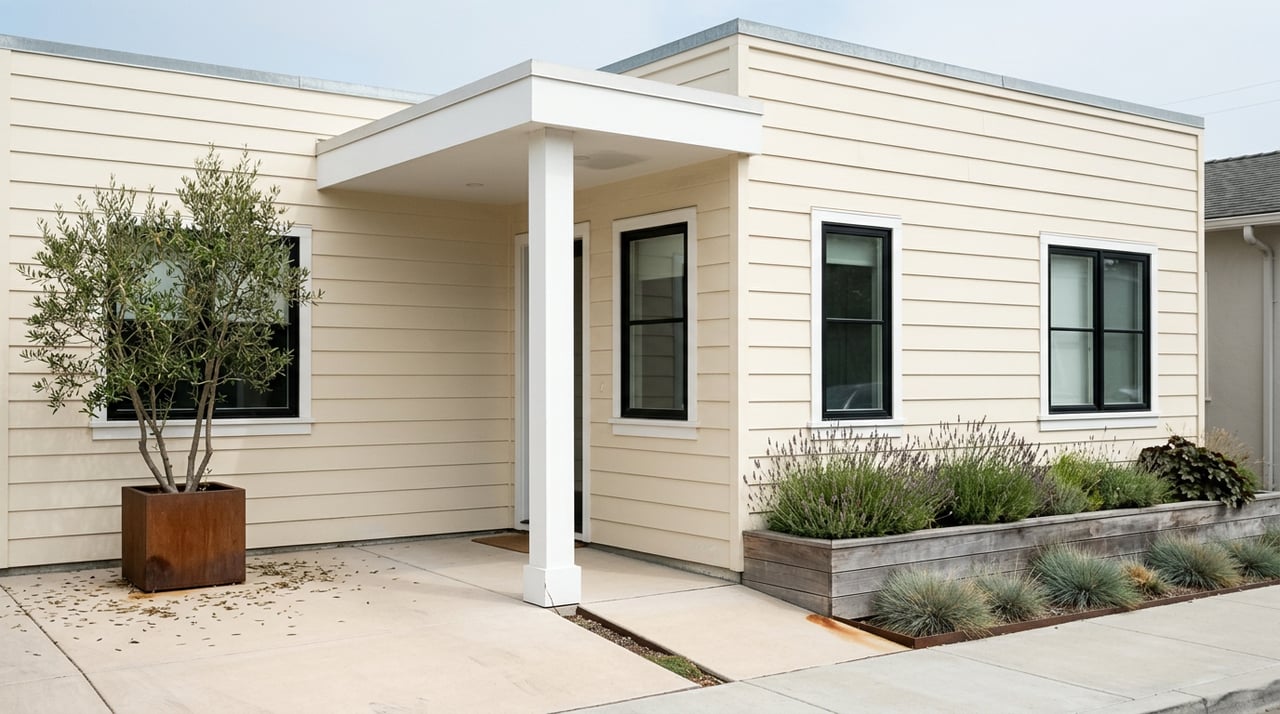
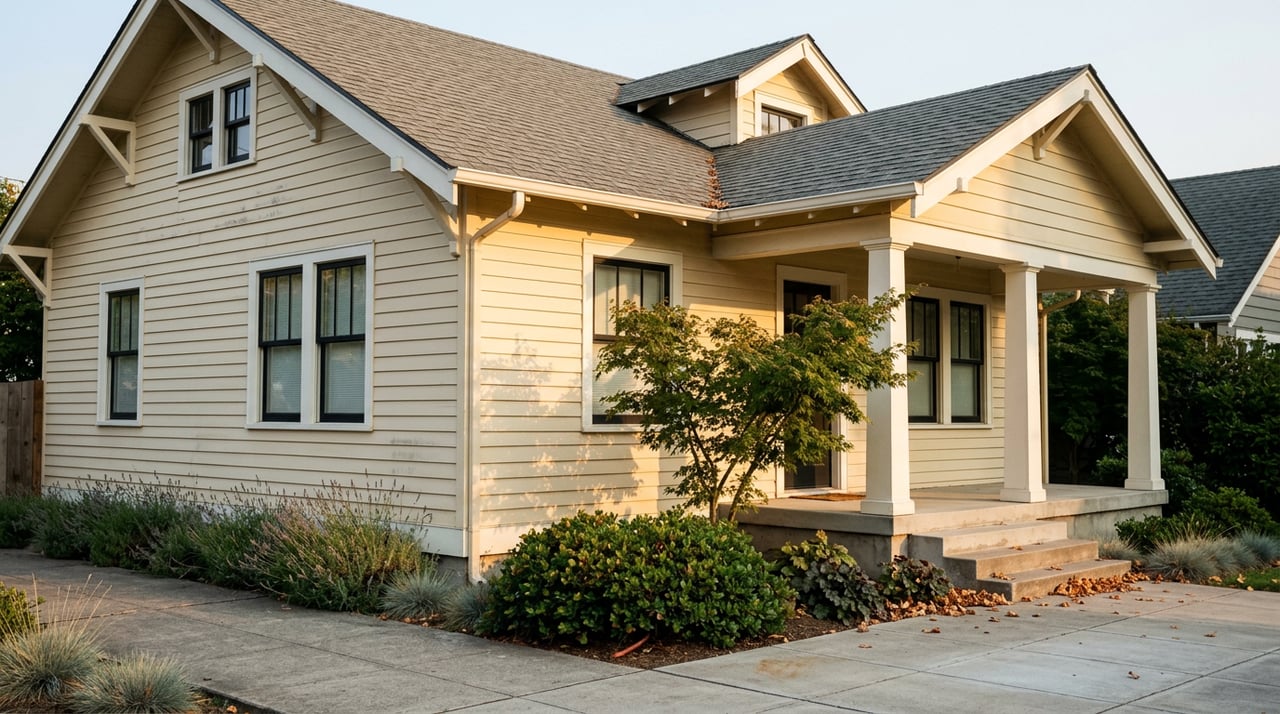
Alameda is not one uniform market. Each area has its own housing style and daily rhythm:
- Gold Coast. Historic streets with larger period homes near neighborhood parks and Park Street.
- East End and Ballena Bay. Mix of older single‑family homes, bungalows, and some waterfront living.
- West End. A blend of classic houses, newer townhomes, and quick access to Webster Street and the estuary.
- South Shore. Mid‑century tracts close to the beach, parks, and shopping.
- Bay Farm Island/Harbor Bay. Newer subdivisions, parks and lagoons, plus a dedicated ferry terminal.
- Alameda Point. A growing mixed‑use area with new housing, open spaces, and waterfront amenities.
Price context helps set expectations. Entry‑level condos and townhomes often land below the single‑family median. Many single‑family homes start under the seven‑figure mark and range well above it depending on location, size, and condition. Waterfront properties and historic homes in premier pockets often command higher prices. Because list and sale numbers change month to month, plan to confirm current figures with up‑to‑date MLS data when you begin your search.
Smart tradeoffs to weigh:
- Proximity to ferries vs. more yard space. Living near Seaplane Lagoon or Harbor Bay can make a commuter’s day easier. Moving a bit farther out can add room to roam.
- Historic character vs. newer construction. Gold Coast and East End charm appeal to some buyers. Bay Farm’s more recent homes can mean larger garages and more standardized floor plans.
- Walkability to main streets vs. quieter blocks. Park Street and Webster Street are lively. Residential pockets nearby are convenient, while streets farther out trade bustle for calm.
Schools and childcare resources
The Alameda Unified School District operates neighborhood elementary schools, two traditional middle schools, and several high school pathways, including Alameda High, Encinal Jr/Sr High, and the Alameda Science & Technology Institute (ASTI). For current enrollment steps, transitional kindergarten information, and attendance boundaries, start with the district’s official resources. You can find general district details on the AUSD website, plus enrollment and accountability information on the district’s demographics and data page.
- Explore district resources and school listings on the Alameda Unified School District site: AUSD homepage
- Review enrollment, TK, and boundary information on AUSD’s data and accountability pages: AUSD demographics and data
Third‑party rankings often rate the district favorably in regional comparisons. For perspective, see how AUSD is profiled on Niche’s district rankings, then use AUSD pages for official program details. Families also consider private and parochial options in town. Because offerings evolve, verify availability, tuition, and admissions timelines directly with each school.
Practical tip: Address‑to‑school pathways can shift across years. Before you fall in love with a home, confirm the current boundary for your grade level through AUSD’s enrollment pages.
Beaches, parks, and everyday play
One of Alameda’s biggest draws is its daily access to the Bay. Robert W. Crown Memorial State Beach, including Crab Cove, offers a sandy shoreline, picnic lawns, restrooms, and a small natural‑history visitor center that hosts family programs and tide‑pooling experiences. It is easy to build a weekend ritual around a quick beach walk or an afternoon of sandcastle building. Learn more about programs and facilities at Crown Beach and Crab Cove.
Across the island, the parks network makes it simple to get outside. Jean Sweeney Open Space Park spans about 25 acres and connects into the Cross Alameda Trail, so biking and walking to playgrounds becomes a habit for many households. Check current amenities and trail connections on the city’s page for Jean Sweeney Open Space Park.
Community programming adds structure to family life. The city’s Recreation and Parks team runs summer movies and concerts in the park, seasonal festivals, and special events like the long‑running 4th of July parade and sand‑castle contests on the beach. You can see what is coming up on the ARPD events calendar.
Weekend extras many families love:
- Crab Cove Visitor Center for hands‑on nature learning
- USS Hornet museum and open‑air events at Alameda Point
- Monthly Alameda Point Antiques Faire
- Park Street cafes and neighborhood shops for easy errands
Getting around: ferries, shuttles, bikes, and BART
Ferry commute options
Alameda is served by multiple ferry terminals, including Main Street, Seaplane Lagoon at Alameda Point, and Harbor Bay. Crossing times to San Francisco often run about 20 to 35 minutes depending on the terminal and schedule. Many commuters choose the ferry for a calmer, more predictable start and finish to the day. For specifics on Harbor Bay’s commuter sailings to the Ferry Building and updated timetables, check the Harbor Bay Ferry schedule information.
Free Oakland‑Alameda Water Shuttle
For quick hops across the estuary, the city and SF Bay Ferry operate a free water shuttle that links Alameda’s docks and Jack London Square. It is handy for dining, errands, and some commutes without getting in a car. See current routes and hours on the city’s page for the Oakland‑Alameda Water Shuttle.
Buses, bikes, and BART links
AC Transit routes connect the island to nearby BART stations like Fruitvale and MacArthur, making it easy to reach Oakland, Berkeley, and beyond. For planning, you can start with an example Alameda route on AC Transit Route 20. The Cross Alameda Trail and local bike lanes make school drop‑offs and ferry rides feasible on two wheels for many families.
Parking and access at ferry terminals
Parking rules at ferry terminals have been adjusted to manage demand and improve safety. If you plan to drive to Seaplane Lagoon, review the city’s latest notice on midweek paid parking and dedicated security at the terminal before you go.
Everyday rhythm families appreciate
Many parents describe Alameda life as simple to organize. Mornings can start with coffee on Park Street and a short school drop‑off. Midday might be a stroller loop on the Cross Alameda Trail or a library storytime. Evenings can mean a ferry ride home with a Bay sunset or a quick stop at the beach before dinner. On weekends, you have choices, from kid‑friendly museum visits to neighborhood festivals. It is the combination of shoreline, parks, and easy access that keeps families rooted here.
How to choose your fit
If Alameda is on your shortlist, take a neighborhood‑by‑neighborhood approach. Walk your top streets at different times of day. Time a sample ferry or bus commute. Visit the parks you would use most, and review AUSD’s enrollment pages for your grade levels. If you plan to sell before you buy, factor in timing and prep so you can make a strong offer when the right home appears.
When you are ready for a plan, work with a local team that pairs neighborhood insight with practical solutions. Our Compass‑affiliated team helps you compare micro‑markets, shape a purchase strategy, and, for sellers, coordinate pre‑sale improvements through Compass Concierge or bridge‑financed timing solutions when needed. The goal is simple: reduce friction and give you confidence at every step.
Ready to explore Alameda with a clear strategy tailored to your family? Connect with Andrew Pitarre to map neighborhoods, budgets, school timelines, and a step‑by‑step path to your move.
FAQs
What makes Alameda family‑friendly compared to other Bay Area cities?
- Alameda combines small‑town island scale with about 400 acres of parks, a sandy state beach, neighborhood schools, and multiple ferry terminals, which makes daily routines simpler for many families.
How much do homes in Alameda cost for families planning a move?
- Price varies by neighborhood and home type. Condos and townhomes often land below the single‑family median, while many houses range from under to well over seven figures, with waterfront and historic homes at premium levels. Confirm current numbers with your agent’s MLS data.
Which Alameda neighborhoods are popular with families new to the island?
- Many families look at Bay Farm/Harbor Bay for newer homes and ferry access, East End for classic single‑family streets near parks, and Gold Coast for historic character near Park Street. Visit each area to see which fits your routine.
How are public schools organized in the Alameda Unified School District?
- AUSD operates multiple neighborhood elementary schools, two traditional middle schools, and several high school pathways. For enrollment steps, TK, and boundaries, start with the AUSD homepage and AUSD demographics and data.
Is a ferry commute to San Francisco realistic from Alameda?
- Yes. Depending on the terminal, many crossings are about 20 to 35 minutes and run frequent commuter schedules. Review current times on the Harbor Bay Ferry schedule page.
Where can my family spend time outdoors in Alameda?
- Robert W. Crown Memorial State Beach and Crab Cove offer sandy shores and family programs, and Jean Sweeney Open Space Park connects to the Cross Alameda Trail for easy bike and stroller loops. See Crown Beach details and Jean Sweeney Park info.
How do I plan childcare or transitional kindergarten enrollment in Alameda?
- AUSD provides TK enrollment pathways and child‑development resources on its site. Check timelines, required documents, and school assignments on the AUSD demographics and data page.