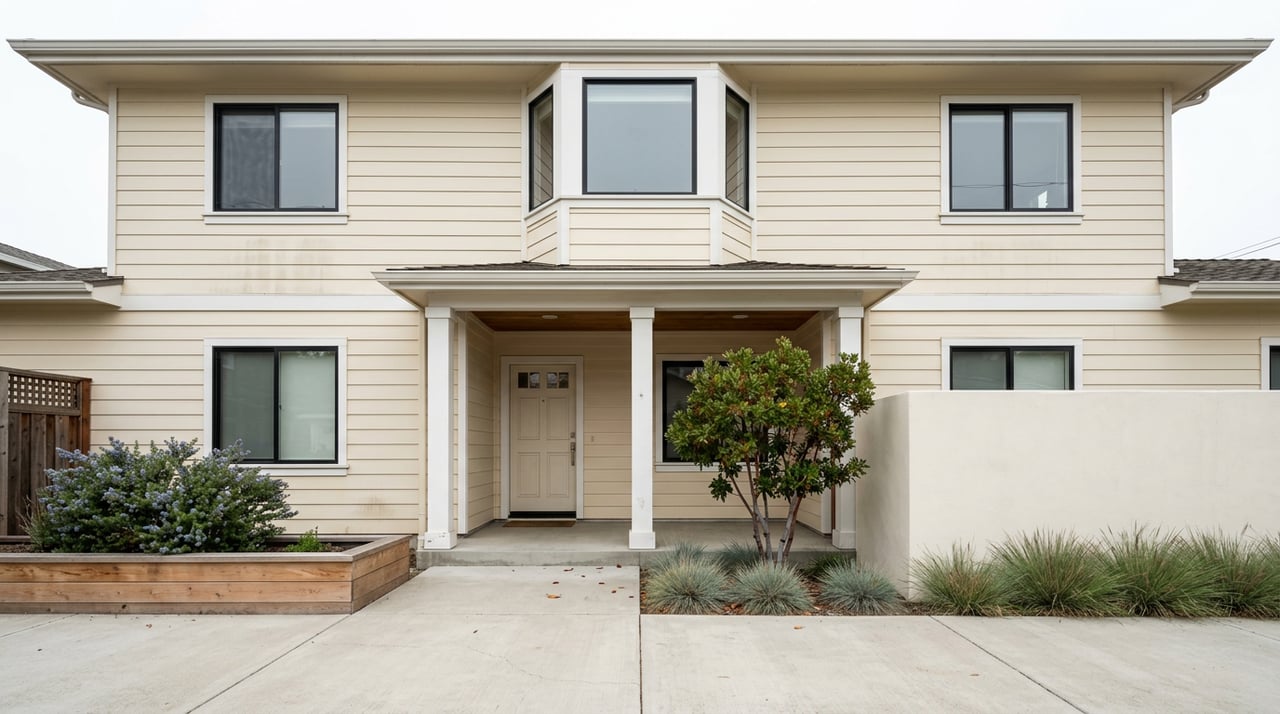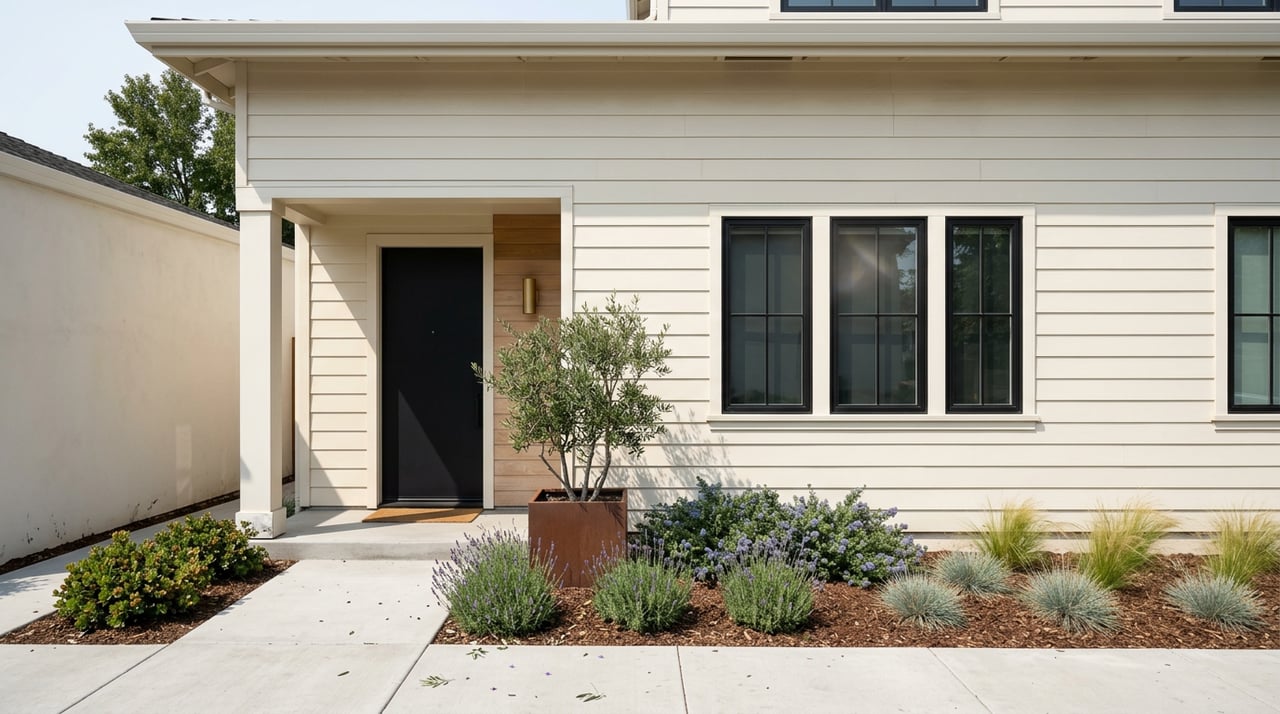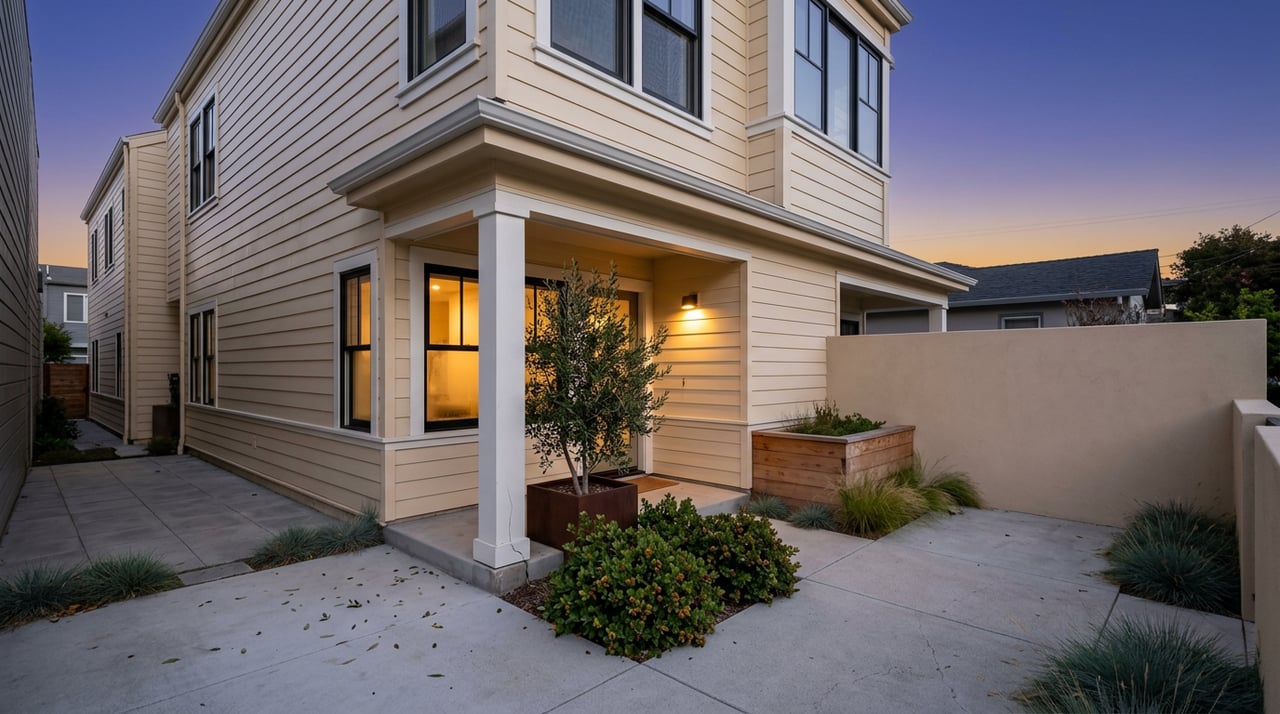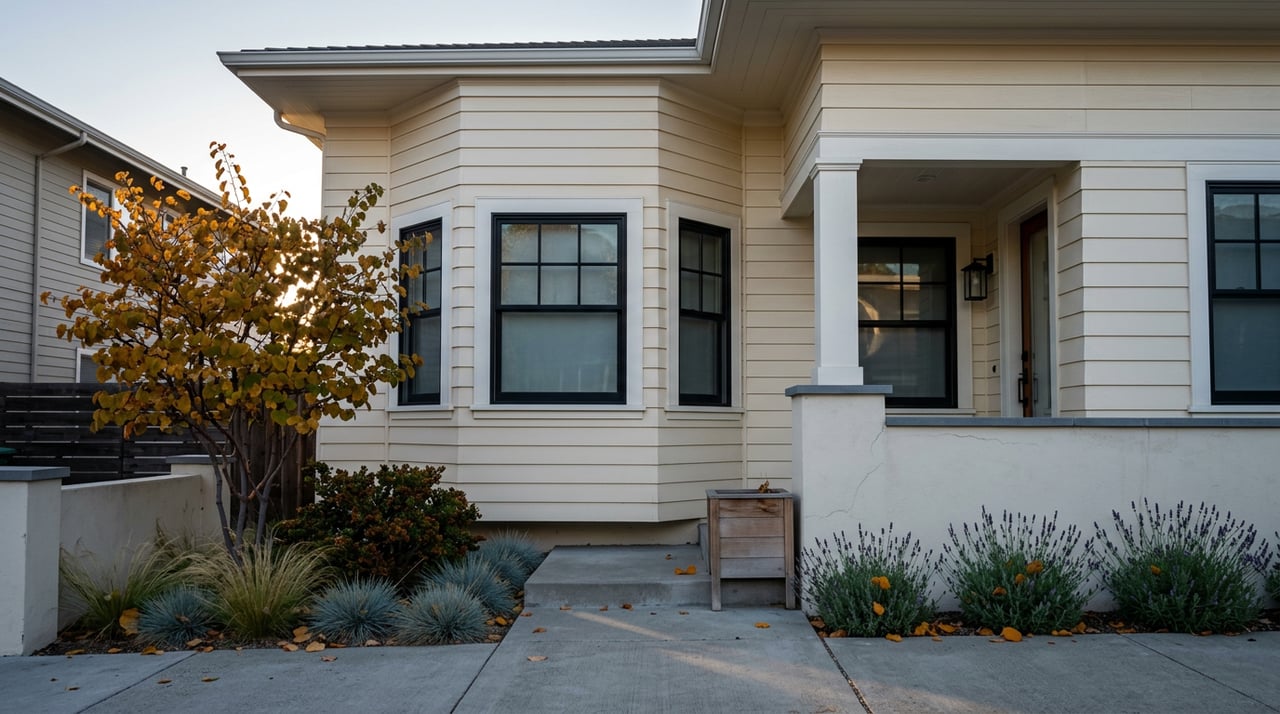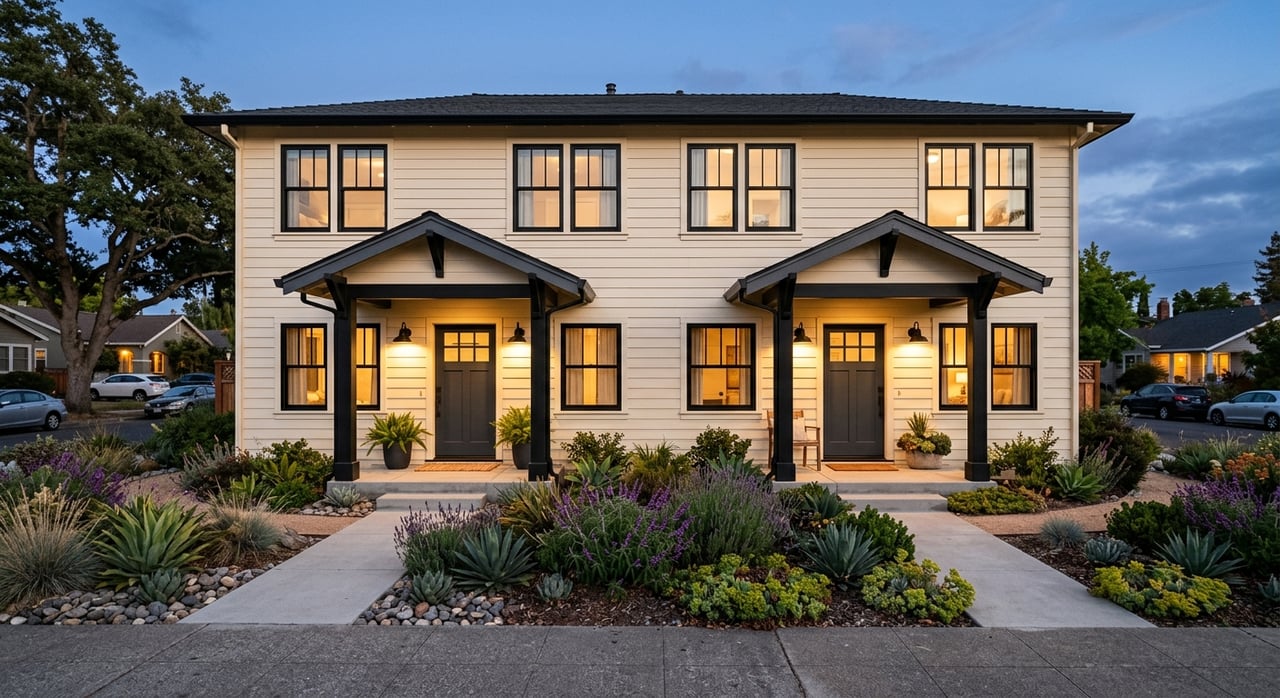
If you own a duplex in North Oakland, the biggest question may not be what your property could sell for. It may be what you can actually do with it under Oakland’s rules, today’s 94609 market, and the condition of your building. Whether you are tired of landlording, weighing a refinance, or thinking about a 1031 exchange, the right move depends on more than price alone. Let’s break down how to think through the decision clearly.
Why the decision is more complex in 94609
For North Oakland duplex owners, the decision to sell or hold sits at the intersection of market value, tenant rules, repair costs, and your own goals. In 94609, Redfin reports a median sale price of $928,000, down 22.7% year over year. That market snapshot matters, but it does not tell the full story for an occupied duplex.
A duplex in Oakland is not always a simple asset that can be sold vacant on demand. Oakland states that the sale of a property is not a just-cause reason for eviction. That means your strategy needs to account for tenancy status, local compliance, and whether a buyer will view the property as a tenant-occupied investment or a future owner-occupancy opportunity.
Oakland rules shape your options
Rent control and just-cause are separate issues
Oakland says its Rent Adjustment Program generally covers most multifamily properties built before January 1, 1983. The city also notes that rented single-family homes, condos, units created after 1983, and subsidized housing are generally exempt from RAP. In an owner-occupied duplex, the unit you live in may be treated differently from the rental side.
Just-cause rules are a separate layer. Oakland says owner-occupied duplexes and triplexes are covered by the city’s just-cause ordinance, and the sale of the property is not a just-cause ground for eviction. Measure V also expanded just-cause coverage to most residential rental units built after December 31, 1995, with a limited rolling exemption for newer ground-up construction.
A newer duplex may still face eviction rules
Many owners assume a newer building is outside the city’s stricter rental framework. In Oakland, that can be a costly assumption. A building being newer than the old pre-1983 rent-control cutoff does not automatically mean it is outside eviction protections.
That matters if you are thinking about renovations, owner move-in plans, or timing a future sale around vacancy. In practice, the legal path can matter just as much as the pricing path.
When selling may be the right move
Selling can be the cleaner choice when you want to step away from the day-to-day demands of ownership. It can also make sense when the building needs major work, compliance has become burdensome, or your equity could be used more effectively elsewhere.
In North Oakland, this matters because selling does not automatically give you a vacant property to market. Oakland states that expiration of a rental agreement and sale of the property are not just-cause grounds for eviction. If your sale strategy depends on vacancy, you need to understand the lawful process before you make pricing or timing assumptions.
Signs a sale may be worth serious consideration
- You want to exit the landlord role entirely
- The duplex needs major capital repairs or seismic work
- The property no longer cash-flows comfortably after debt service and reserves
- City compliance feels like an ongoing burden
- You want to unlock equity for retirement, downsizing, or portfolio changes
For some owners, a sale is not about chasing the highest headline number. It is about reducing complexity and moving into the next phase with more certainty.
When holding still makes sense
Holding can work when the duplex still supports your long-term goals and the numbers remain solid after real-world costs. In Oakland, those costs include not just mortgage payments and repairs, but also registration, notice rules, and rent increase limits.
For covered Oakland units, the allowable annual rent increase is 0.8% for increases effective August 1, 2025 through July 31, 2026. Oakland also says rent can only be increased once in a 12-month period. If your expenses are rising faster than income, that can put pressure on a hold strategy.
Questions to ask before you hold
- Is the property still cash-flowing after maintenance, reserves, and compliance costs?
- Are you current on Oakland rent registry obligations?
- Are there deferred repairs that could become much more expensive later?
- Are you willing to stay active with city filings and local rules?
Oakland’s rent registry went into effect on July 3, 2023, and annual renewal is required. The city says unregistered properties may not serve rent increases or respond to tenant petitions. For small owners, that turns administration into a real carrying cost.
When repositioning can improve the outcome
If your duplex has upside but needs work, repositioning may be the middle path between selling as-is and holding indefinitely. This can mean completing repairs, addressing code issues, improving systems, or planning a sale around a more favorable property presentation.
Oakland does allow owners to petition for higher rents based on capital improvements, increased housing service costs, uninsured repair costs, or fair return. The city defines capital improvements as work that benefits tenants by adding value, extending useful life, or adapting the property to new code. It also limits reimbursement for capital improvements to 70% of cost amortized over useful life.
Repositioning can make sense when
- The building has deferred maintenance but strong long-term location value
- Repairs could materially reduce future risk
- Code or seismic work is necessary anyway
- A lawful turnover could eventually improve rent potential
Oakland also states that if all tenants are new, the owner can set the initial rent at market rate. That does not create a shortcut around local rules, but it does mean a lawful turnover can materially change your hold math over time.
Repair risk is part of the strategy
Many North Oakland duplexes are older buildings, and older buildings can come with hidden costs. Soft-story issues, aging systems, and long-deferred maintenance can quickly reshape the decision to sell or hold.
Oakland runs a mandatory soft-story retrofit program for certain multifamily buildings. The city’s seismic retrofit page also points single-family and duplex soft-story homeowners to the statewide ESS grant program, which can provide up to $13,000 toward eligible retrofits. If your building may need structural work, that cost belongs in your strategy from the start.
Where refinancing fits
Refinancing can be a smart option when you want to improve monthly cash flow or pull funds for needed repairs without selling the property. It is usually most useful when the new loan terms clearly improve your position.
The CFPB advises comparing refinance costs and any prepayment penalty against the expected savings. It also notes refinancing may not make sense if you plan to move soon, if the property value has fallen, if your credit has worsened, or if your current mortgage has a prepayment penalty. A cash-out refinance can fund repairs or debt paydown, but it can also increase leverage and extend your loan term.
Refinance may be worth exploring if
- You can lower monthly debt service
- You need capital for essential repairs or improvements
- You plan to keep the property long enough to recover closing costs
- The new loan supports, rather than strains, your cash flow
Where a 1031 exchange fits
If your duplex is held for investment, a 1031 exchange may help you defer taxes while moving into another income property. This is not a cash-out strategy. It is a reinvestment strategy.
The IRS says replacement property must be identified within 45 days and received within 180 days, typically through a qualified intermediary. That timeline is tight, so owners usually benefit from planning the sale and replacement strategy well before listing.
A 1031 may make sense when
- The duplex is primarily an investment asset
- You want to shift into a different property type or market
- You want portfolio repositioning rather than a full exit
- You are ready to meet the 45-day and 180-day deadlines
A practical framework for deciding
If you are weighing your options, start with these four categories:
1. Your goal
Do you want income, less stress, more liquidity, or a new investment? Your objective should drive the strategy, not the other way around.
2. Your legal position
Look closely at occupancy, rent control status, just-cause coverage, and compliance requirements. In Oakland, these rules directly affect timing, value, and flexibility.
3. Your building condition
Be honest about repairs, seismic exposure, deferred maintenance, and upgrade needs. A property that looks profitable on paper can become expensive fast when major work is near.
4. Your numbers
Compare realistic sale proceeds against hold cash flow, refinance costs, and repositioning expenses. In a changing market, net outcome matters more than a headline valuation.
For many duplex owners in 94609, the best move is the one that reduces uncertainty while protecting long-term value. Sometimes that means selling. Sometimes it means holding with better planning. Sometimes it means doing the work first, then deciding.
If you want help thinking through the next step, Andrew Pitarre and the East Bay Home Transitions team can help you evaluate value, property condition, renovation scope, and sale timing with a practical East Bay lens.
FAQs
How does Oakland just-cause law affect a North Oakland duplex sale?
- Oakland states that selling a property is not a just-cause reason for eviction, so a sale does not automatically allow a tenant-occupied duplex to be delivered vacant.
What is the current 94609 housing market signal for duplex owners?
- Redfin reports a 94609 median sale price of $928,000, down 22.7% year over year, which is useful context but not a duplex-specific valuation.
Can a North Oakland duplex owner raise rent freely after buying or holding?
- No. For covered Oakland units, the allowable annual rent increase is 0.8% for increases effective August 1, 2025 through July 31, 2026, and the city says rent can be increased only once in a 12-month period.
What should a North Oakland duplex owner know about Oakland rent registration?
- Oakland’s rent registry requires annual renewal, and the city says unregistered properties may not serve rent increases or respond to tenant petitions.
When does a 1031 exchange make sense for a North Oakland duplex?
- A 1031 exchange can make sense when the duplex is held for investment and you want to trade into another income property while meeting the IRS 45-day identification and 180-day closing deadlines.
When is refinancing a better choice than selling a North Oakland duplex?
- Refinancing may be the better fit when you want to improve cash flow or fund repairs and the savings outweigh closing costs, penalties, and the risks of taking on more leverage.