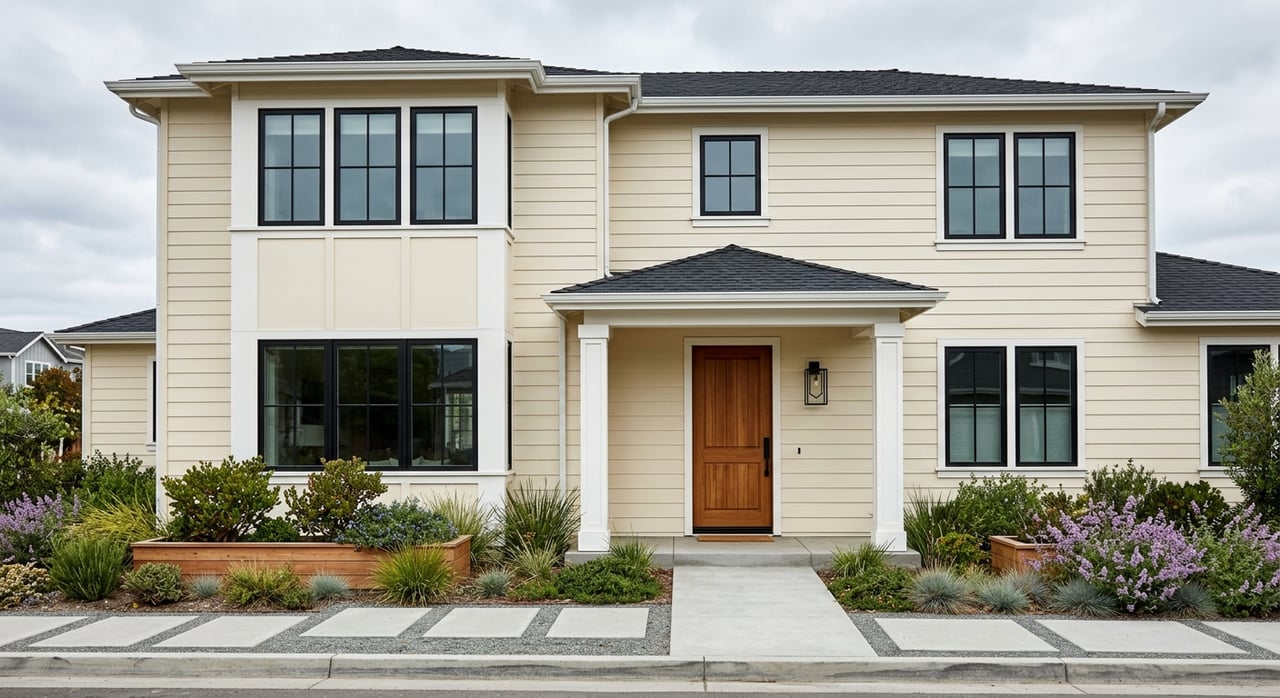
Trying to choose between Rockridge and Temescal? You are not alone. Both neighborhoods offer strong East Bay appeal, but they live very differently day to day, and the right fit depends on what matters most to you. If you want a clearer way to weigh price, housing options, walkability, and commute patterns, this guide will help you compare the tradeoffs with more confidence. Let’s dive in.
Rockridge vs Temescal at a glance
If you zoom out, the biggest difference is simple: Rockridge tends to be the pricier, more residential-feeling option, while Temescal offers a broader mix of housing types in a denser, more corridor-oriented setting.
That pattern shows up in both pricing data and neighborhood form. Rockridge is known for early-20th-century homes, especially Craftsman and Bungalow-style single-family properties, with commercial activity centered along College Avenue. Temescal has more mixed-use character, with commercial uses along Telegraph Avenue and a stronger presence of single-family and multi-family housing.
For many buyers, that means Rockridge feels more focused on detached-home living, while Temescal gives you more ways to enter the market. Neither is universally better. The question is which tradeoffs line up with how you want to live.
Price differences matter
On a normalized basis, Rockridge carries the higher long-run value premium. Zillow’s March 31, 2026 home value data shows a typical home value of $1,824,243 in Rockridge compared with $1,060,873 in Temescal.
Monthly median sale prices can look closer, but they can also be noisy when there are very few sales. In March 2026, Redfin reported a median sale price of $1.261 million in Rockridge based on only 2 sales, while Temescal posted $1.35 million based on 8 sales. That makes Rockridge’s monthly number especially sensitive to the small sample.
The practical takeaway is that Rockridge usually asks for a bigger budget, especially if you are targeting a detached home with classic architectural character. Temescal can still be expensive, but it appears to offer more varied price entry points because the housing mix is broader.
Competition is different too
If you are preparing to buy, it is not just about the purchase price. It is also about how competitive the search may feel once you find the right property.
Redfin rates Rockridge as the more competitive market. Homes there averaged about 31% above list price in March 2026, compared with about 16% above list price in Temescal. With limited inventory and strong demand for the neighborhood’s housing stock, Rockridge buyers may need to be especially ready when the right home appears.
Temescal is competitive too, but the bidding pressure appears lower by comparison. That can matter if you want a bit more room to evaluate options across condos, townhomes, or multi-unit properties instead of focusing only on detached houses.
Housing stock shapes your options
Rockridge homes and neighborhood feel
Rockridge is best known for its early-20th-century single-family homes. City planning materials describe a neighborhood with Craftsman and Bungalow-style houses, sloping topography, and a residential-first feel outside the College Avenue corridor.
If you picture tree-lined residential blocks with a distinct neighborhood center rather than a more urban street grid, Rockridge aligns with that vision. Buyers who care about lot-to-lot variation, period details, and a quieter block experience often respond well to this kind of housing stock.
Current inventory reinforces that pattern. Redfin’s neighborhood pages show no condos and no townhouses in Rockridge, with only a small multi-family presence. In real terms, your search there may be more concentrated around detached homes and a narrower set of inventory types.
When Rockridge may fit you best
Rockridge may be the stronger fit if you are looking for:
- A detached home rather than a condo or townhouse
- Early-20th-century character and architectural detail
- A more residential backdrop with walkable retail nearby
- Direct BART access without giving up a calmer street feel
Temescal housing mix and urban energy
Temescal reads differently. City documents describe the district as having mixed-use and commercial uses along Telegraph Avenue plus single-family and multi-family housing.
That wider range of building types shows up in active listings too. Redfin’s neighborhood pages show Temescal with condos, a townhouse, and multi-family units for sale, which suggests a broader menu for buyers with different budgets and goals.
Ongoing development supports that more urban pattern. The MacArthur Transit Village near MacArthur BART is planned as a mixed-use, transit-oriented project with up to 875 residential units, neighborhood-serving retail, and a parking garage. That reinforces Temescal’s role as a denser, more multi-unit, transit-linked environment.
When Temescal may fit you best
Temescal may be the stronger fit if you are looking for:
- More housing-type flexibility
- Condo, townhouse, or multi-family options
- A busier retail corridor and denser street life
- Strong bike, transit, and multimodal commute choices
Walkability and daily routine
Both neighborhoods are highly walkable, but they are not walkable in exactly the same way.
Walk Score gives Temescal a 95 for walkability, 68 for transit, and 94 for biking. Rockridge scores 90 for walkability, 59 for transit, and 76 for biking. Those are strong numbers in both places, but Temescal has the edge in transit and biking, along with a denser concentration of restaurants, bars, and coffee shops within a short walk.
For your daily life, that can shape how the neighborhood feels. Temescal may suit you better if you want more destinations close together and a stronger corridor experience. Rockridge may suit you better if you want walkability while still feeling more removed from higher-intensity commercial activity.
Commute tradeoffs to know
Transit access is one of the clearest distinctions between the two neighborhoods.
Rockridge Station is served by the Antioch to SFIA/Millbrae line and AC Transit. BART describes Rockridge as a residential neighborhood with a retail and commercial district, which supports its appeal for buyers who want direct BART access in a more residential setting.
MacArthur Station, near Temescal’s commercial core, is a major transfer point served by three BART lines as well as AC Transit, Emery Go Round, and the Kaiser Shuttle. BART also notes a 200-plus-bike station and a 481-space parking garage as part of the station-area redevelopment.
City transportation materials add another layer. Telegraph Avenue through Temescal is described as a key corridor and the quickest, most direct path via transit, walking, and biking from Downtown Oakland to UC Berkeley, with regional connections to Highways 24 and 580.
That means Temescal has the edge for multimodal flexibility and broader regional connections, while Rockridge may appeal more if you want a simpler direct-BART-oriented setup from a more residential base.
How to decide between Rockridge and Temescal
If you are stuck between the two, focus less on neighborhood reputation and more on how you actually plan to live there. A good decision usually comes down to budget, property type, and commute style.
Here is a simple way to frame it:
| Priority | Rockridge | Temescal |
|---|---|---|
| Budget flexibility | Lower | Higher |
| Detached-home focus | Stronger | More limited |
| Condo or townhouse options | Limited | Stronger |
| Residential feel | Stronger | More mixed-use |
| Retail corridor energy | Moderate | Stronger |
| Bike and transit convenience | Good | Stronger |
| Direct BART from residential setting | Stronger | Good |
If you value classic detached homes, quieter blocks, and a strong residential identity, Rockridge likely deserves the first look. If you want more inventory variety, stronger biking and transit options, and a more active commercial corridor, Temescal may be the better match.
The bottom line for East Bay buyers
Rockridge and Temescal are both compelling East Bay choices, but they solve different buyer priorities. Rockridge generally offers more historic detached-home character, a calmer residential feel, and a higher long-run price point. Temescal generally offers stronger walkability and biking, more multimodal commute flexibility, and a wider range of housing options.
The best neighborhood for you is the one that fits your budget, your routine, and the kind of home you want to buy. If you compare those three factors honestly, the choice usually becomes much clearer.
If you want help weighing micro-market tradeoffs in Oakland or Berkeley, Andrew Pitarre can help you compare neighborhoods, property types, and timing so you can move forward with confidence.
FAQs
Is Rockridge more expensive than Temescal for buyers?
- Yes. Long-run home value data shows Rockridge at a higher typical home value than Temescal, even though a single month of closed sales can make the gap look smaller.
Does Temescal have more condo inventory than Rockridge?
- Yes. Current listing patterns show Temescal with condos, a townhouse, and multi-family options, while Rockridge shows no condos or townhouses and only a small multi-family presence.
Which Oakland neighborhood is better for walkability, Rockridge or Temescal?
- Both are highly walkable, but Temescal scores higher for walkability, transit, and biking, with more everyday destinations clustered close together.
Which neighborhood is better for a BART commute, Rockridge or Temescal?
- It depends on your commute style. Rockridge is a strong fit for a direct BART-oriented commute from a more residential setting, while Temescal offers more multimodal flexibility through MacArthur Station and nearby transit connections.
Is Rockridge or Temescal better for detached homes?
- Rockridge is generally the better fit if you want detached homes with early-20th-century character, since its housing stock is more heavily oriented toward single-family properties.
Is Temescal a better fit for buyers who want an urban neighborhood feel?
- In many cases, yes. Temescal has a more mixed-use, corridor-oriented pattern with stronger transit and biking convenience and a denser concentration of shops and restaurants.