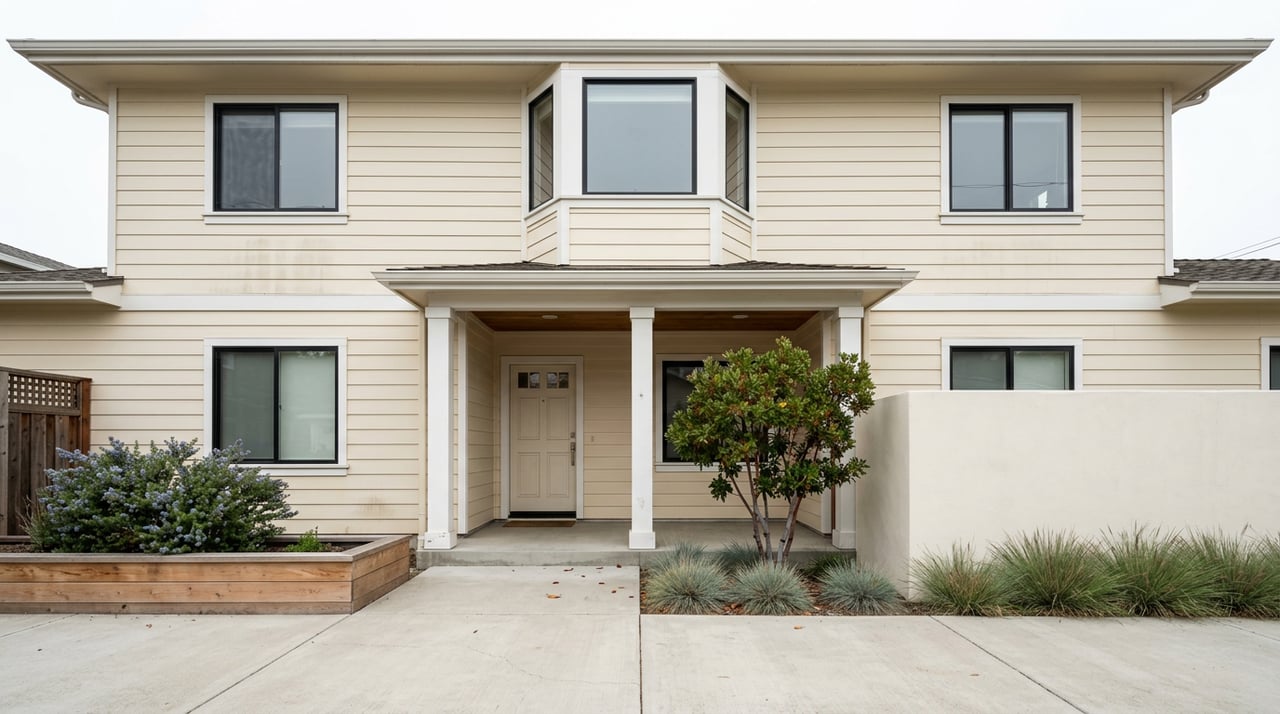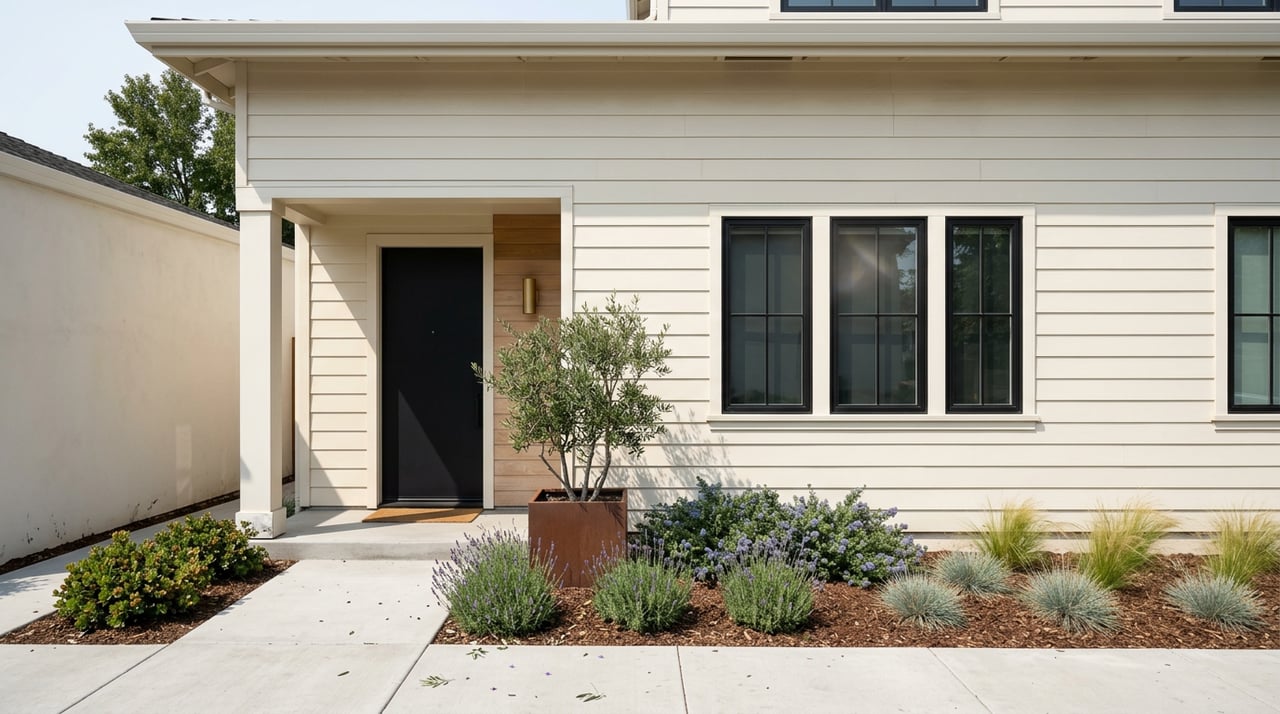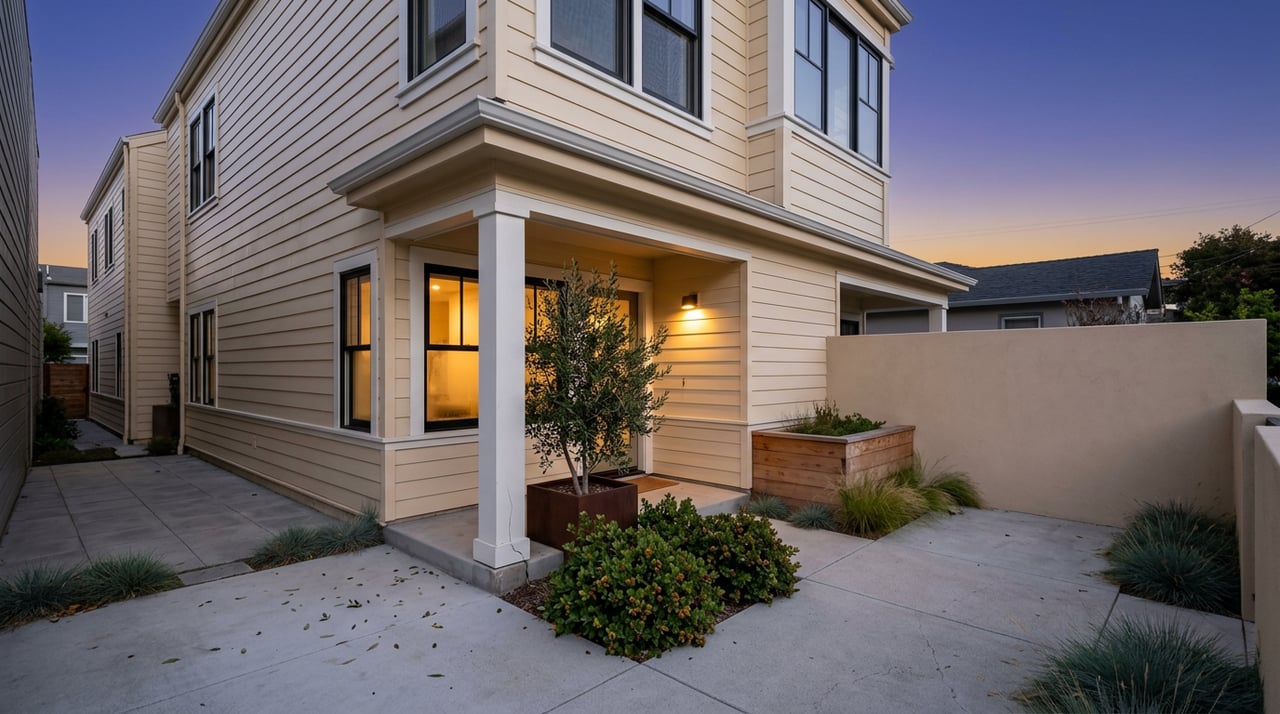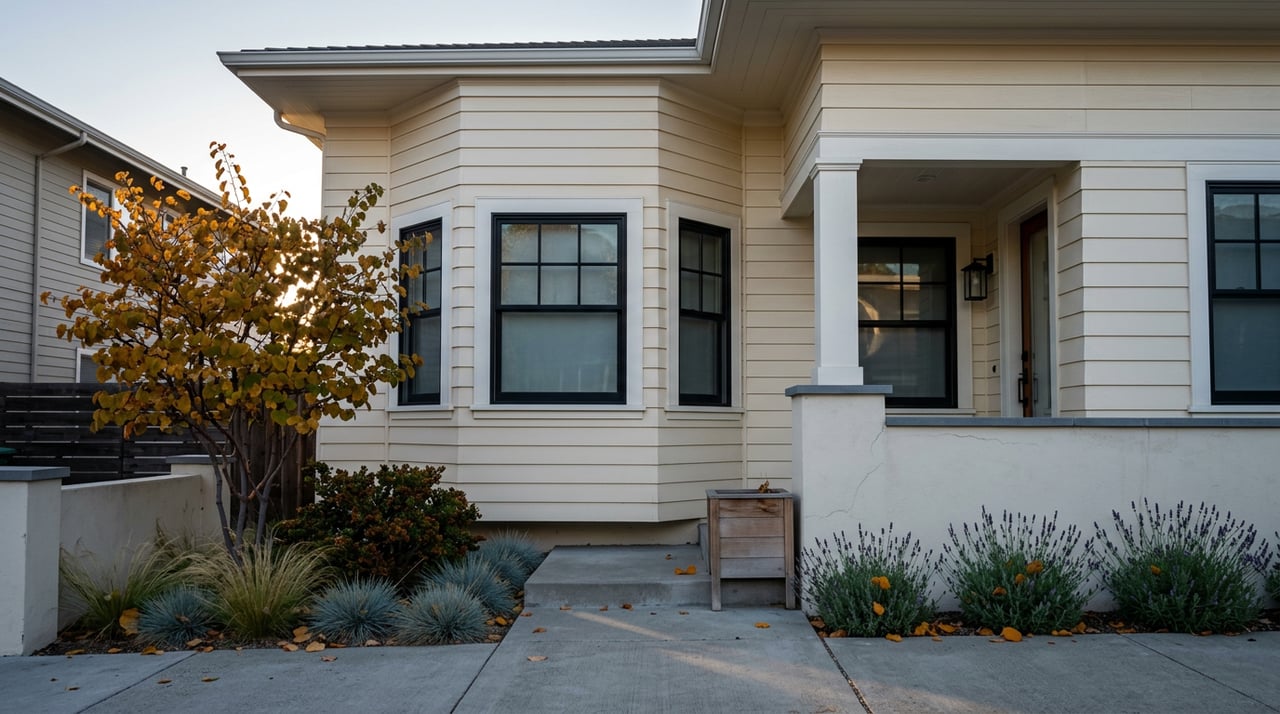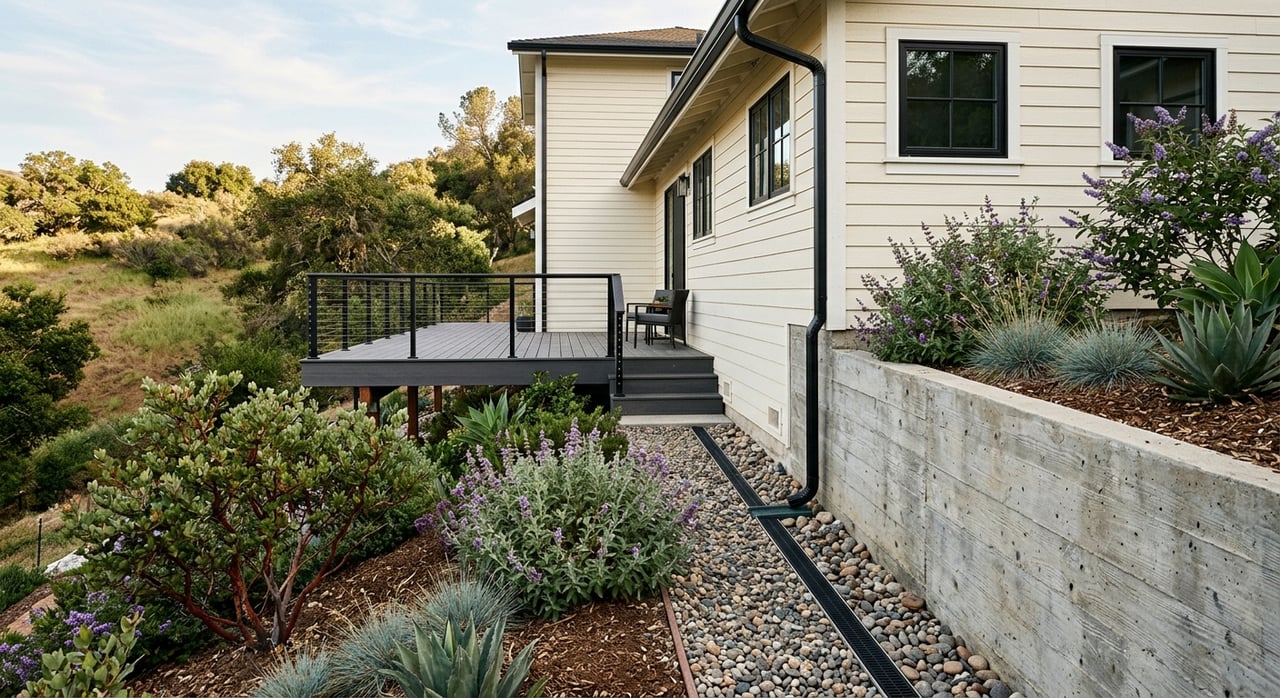
If you own a hillside home in Montclair, getting it ready for sale takes more than fresh paint and good staging. Buyers notice views and curb appeal, but they also pay close attention to drainage, retaining walls, roof runoff, and whether exterior improvements look properly documented. When you prepare these items early, you can reduce surprises, support cleaner disclosures, and bring your home to market with more confidence. Let’s dive in.
Why hillside prep matters
Hillside properties often come with extra site considerations that flat lots may not. In Montclair, plan review materials show that site plans must include drainage patterns, and major remodels may require soils reports and structural calculations. The city also notes that some project reviews can take weeks, and the Fire Prevention Bureau may be part of the review process for certain work, which makes early planning especially important.
That means your pre-listing strategy should focus on both presentation and documentation. A home can look polished in photos while still raising questions during inspections or buyer due diligence. For many sellers, the goal is to handle the site-related issues first, then move on to cosmetic updates and marketing.
Start with drainage and grading
For a Montclair hillside home, drainage is one of the first items to review. The city requires grading plans for grading permits, and a permit is not issued until the City Engineer approves the plans. Montclair also requires drainage patterns to be shown on building site plans, which signals how seriously runoff control is treated.
If you have standing water, erosion, slope washout, or runoff that moves toward structures, treat that as more than routine maintenance. The city’s stormwater guidance notes that storm drains carry untreated runoff, so drainage changes should be approached as a regulated site issue rather than a simple quick fix. You can review the city’s grading permit requirements before making decisions.
For larger drainage or slope-related work, Montclair may require plan check review and, for major work, a soils report before construction moves forward. That is why it helps to identify these issues before you choose a list date. Waiting until a buyer inspection can compress your timeline and limit your options.
What to look for outside
Before listing, walk the property and note any signs that water management may need attention:
- Soil erosion on slopes or near hardscape
- Downspouts that discharge too close to the home
- Water staining near the foundation or retaining walls
- Cracks or movement in exterior paved areas
- Pooling water after irrigation or rain
- Bare hillside areas that appear unstable
If you spot any of these issues, it may make sense to bring in the right professional early so you can determine whether the fix is maintenance, repair, or permitted work.
Check retaining walls and decks
Retaining walls, decks, and other exterior structures can be major value points on a hillside property, but they can also create permit questions. Montclair states that masonry walls 24 inches high or more require a building permit, and the city has a dedicated submittal form for combination retaining and block walls. In some cases, walls outside pre-engineered standards may also need engineered design. You can review the city’s wall and exterior project submittal guidance for details.
The same city guidance explains that additions, pools, decks, and gazebos must be approved by the Planning Division before a building permit is requested. So even if a backyard improvement looks complete and functional, it may still need permit verification. For sellers, that makes file review a smart first step.
If your retaining wall, deck, patio cover, or similar feature was added or altered years ago, check whether you have approved plans, permit finals, or contractor records. California’s Transfer Disclosure Statement asks sellers about additions, structural modifications, and alterations made without necessary permits. Having documentation ready can make your disclosures stronger and more organized.
Review the roof and gutter system
A good-looking interior does not cancel out exterior maintenance concerns. California’s Transfer Disclosure Statement requires sellers to disclose known defects in systems such as roofs, foundations, walls, fences, plumbing, and related structural components. The form also specifically asks about roofs, rain gutters, patio or decking areas, and other improvements.
On a hillside parcel, roof and gutter performance matters even more because runoff can affect drainage below. If gutters overflow, downspouts leak, or roof debris has built up, that issue can impact both appearance and site performance. Addressing these items before photos and inspections can help you present a more complete package to buyers.
Montclair’s Code Enforcement Division also identifies peeling paint, broken windows, and unmaintained landscaping as appearance violations that may affect property values and trigger complaints. In practice, that means cosmetic cleanup still matters. A tidy, maintained exterior supports both compliance and market presentation.
Simple pre-listing exterior fixes
A few visible maintenance items can go a long way:
- Clean roofs and gutters
- Repair broken windows or damaged trim
- Repaint peeling exterior surfaces
- Remove dead plant material
- Refresh worn exterior lighting or hardware
- Clean hardscape and walking paths
These steps do not replace inspections or repairs, but they can improve first impressions while reducing obvious red flags.
Prioritize fire safety and brush clearance
Fire safety is a practical pre-sale issue for hillside homes. According to CAL FIRE defensible space guidance, 100 feet of defensible space is required by law, with Zone 1 extending from 0 to 30 feet and Zone 2 from 30 to 100 feet. Recommended work includes removing leaves and debris from roofs and gutters, trimming branches away from chimneys, spacing vegetation, and clearing flammable material from under decks, balconies, stairs, and outbuildings.
CAL FIRE also explains that steep slopes can increase how quickly and intensely fire moves. For a hillside seller, this is not just a seasonal checklist. It is part of preparing the property for photography, open houses, and buyer inspections.
Montclair’s Fire Prevention Bureau conducts fire safety inspections, issues permits required by the California Fire Code, and enforces weed-abatement rules. The city’s weed-abatement program requires weeds and rubbish to be removed within 30 days after a violation notice, with city abatement and possible lien consequences if the owner does not comply. Scheduling brush cleanup early can help you avoid last-minute pressure.
Organize disclosures and property records
For hillside homes, documentation can be just as important as condition. California’s disclosure package may include natural hazard information related to flood zones, dam inundation areas, very high fire hazard severity zones, wildland areas, earthquake fault zones, and seismic hazard zones. The state’s disclosure materials note that seismic hazard zones may involve landslide and liquefaction concerns and may affect development, insurance, or disaster assistance.
The California Department of Real Estate also notes in the Transfer Disclosure Statement materials that sellers may use expert reports from professionals such as engineers or contractors to help make required disclosures. That can be useful if you have completed slope work, wall work, drainage improvements, or structural repairs. A well-organized file can make the transaction feel more transparent and easier to navigate.
Helpful documents to gather
Before your home goes live, try to collect:
- Approved plans and permit records
- Permit final sign-offs
- Engineering or soils reports, if applicable
- Contractor invoices and scopes of work
- Inspection reports
- Before-and-after project photos
- Maintenance records for roof, gutters, or drainage work
You may not have every item, especially for older work, but gathering what you do have can still improve the listing process.
Follow a smart prep sequence
With hillside homes, order matters. Montclair’s plan review process can take about two weeks for initial reviews, about one week for subsequent reviews, and fire plan checks can also take about two weeks, according to the city’s plan submittal information. That timeline alone is a strong reason not to leave site issues until the last minute.
A practical pre-listing sequence often looks like this:
- Verify permit history for walls, decks, additions, and exterior improvements.
- Inspect drainage, grading, retaining walls, roof runoff, and defensible space.
- Complete any engineering review, permit work, or required corrections.
- Tackle cosmetic improvements once structural and site items are addressed.
- Finish with staging, photography, and launch preparation.
This approach can help you avoid spending money on presentation before handling the issues most likely to affect disclosures, inspections, or buyer confidence.
A practical path to market
Preparing a Montclair hillside home for today’s market means thinking beyond appearance. Drainage, slope-related improvements, retaining walls, roof runoff, defensible space, and clean documentation all play a role in how smoothly your sale may go. When you address the mechanics before the marketing, you give yourself a better chance at a cleaner, more confident listing experience.
If you want help building a smart pre-sale plan, Andrew Pitarre can help you evaluate improvements, organize the work in the right order, and prepare your home for market with a practical, results-focused approach.
FAQs
What should you fix first when preparing a Montclair hillside home for sale?
- Start with drainage, grading, retaining walls, roof runoff, and fire-safety cleanup before cosmetic updates, because these issues can affect permits, disclosures, and buyer inspections.
Do retaining walls need permits for a Montclair hillside property?
- Montclair states that masonry walls 24 inches high or more require a building permit, and some retaining wall projects may also require engineered design.
Why do gutters and roof debris matter for a hillside home sale in Montclair?
- Roofs and gutters are part of California seller disclosures, and poor runoff control on a hillside lot can contribute to visible maintenance issues and site drainage concerns.
How does defensible space affect a Montclair hillside listing?
- CAL FIRE says 100 feet of defensible space is required by law, and clearing debris, spacing vegetation, and removing flammable material can help with safety, presentation, and inspections.
What documents should you gather before listing a Montclair hillside home?
- Useful records include permit documents, approved plans, final inspections, engineering or soils reports, contractor invoices, and photos of completed work.