Love the look of North Oakland’s early bungalows but unsure which details truly matter? You are not alone. Buyers in 94609 want authentic Craftsman character paired with safe, comfortable, and efficient systems. This guide shows you the features that signal quality, the inspections to prioritize, and the updates that add the most value in the Oakland–Hayward–Berkeley area. Let’s dive in.
What defines a Craftsman in 94609
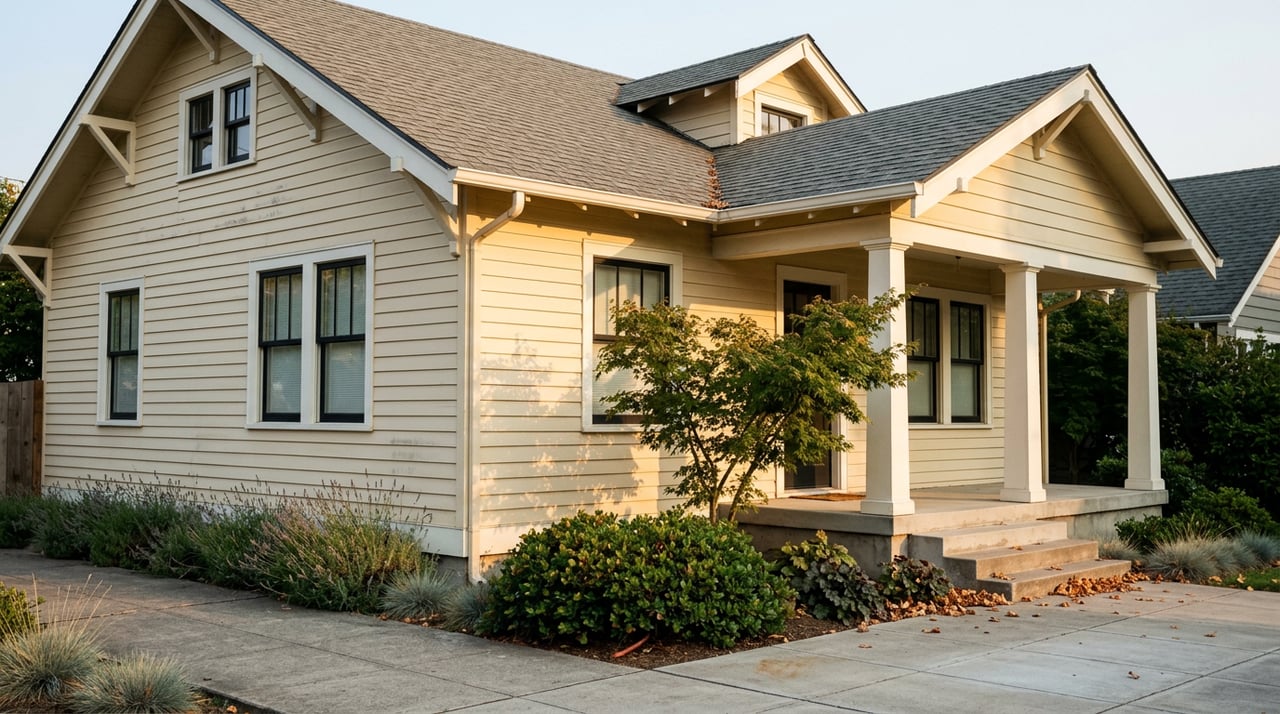
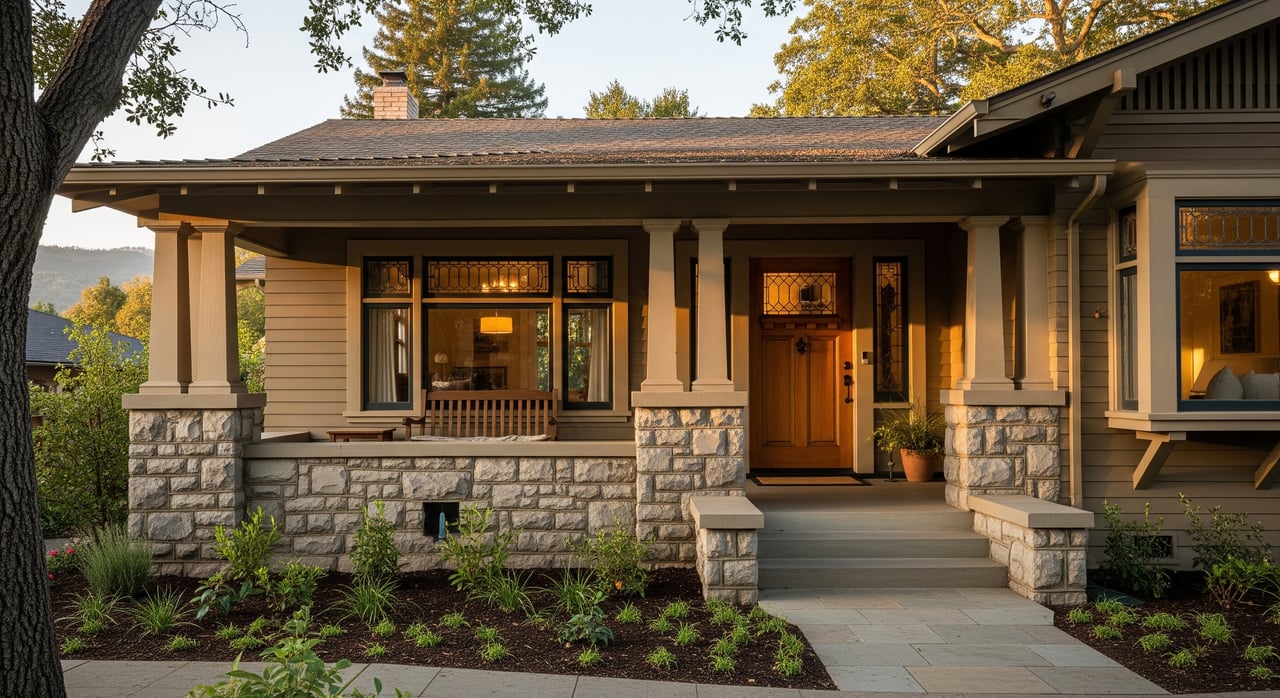
Craftsman and bungalow homes in North Oakland were largely built from the early 1900s through the 1930s. You will see a human-scale design, handcrafted woodwork, and a strong indoor-outdoor connection.
Exterior features buyers notice
- Low-pitched gabled roofs with wide, overhanging eaves and exposed rafters or beams.
- Prominent front porches with tapered square columns or battered piers set on masonry or concrete bases.
- Multi-pane windows, often with a divided-light upper sash over a single lower sash, plus occasional leaded or stained glass.
- Wood or shingle siding with decorative knee braces and shingle patterns in gable ends.
- Small yards with mature street trees and detached garages or carriage houses toward the rear of the lot.
Interior features buyers value
- Built-in cabinetry: bookcases flanking the fireplace, window seats with storage, and dining room buffet or hutch.
- Rich woodwork: quarter-sawn oak trim, wainscoting, picture rails, paneled doors, and wide baseboards.
- Original hardwood floors and boxed-beam or exposed-beam ceilings in larger living rooms.
- Classic bungalow flow: living room to dining room to kitchen, often 1–3 bedrooms and one bath in smaller homes.
- Fireplaces with tile surrounds that anchor the living space.
Why these details matter
Buyers seek the warmth and craftsmanship you cannot easily replicate today. Intact woodwork, original floors, and built-ins are high-value features and can justify a premium. The front porch and street presence also support the easy, connected lifestyle that makes North Oakland’s walkable blocks so appealing.
If you are buying, focus on the quality and condition of original elements. If you are selling, preserve authentic features and make targeted updates that respect the home’s character.
What to inspect first in older bungalows
Older homes often have systems that were upgraded over decades. Safety and major systems come first, before cosmetic fixes.
Electrical safety
- Common issues: knob-and-tube wiring, cloth-insulated branch wiring, undersized service panels, lack of grounding, and missing GFCI protection in kitchens and baths.
- Why it matters: safety, fire risk, and potential hurdles with insurers or lenders.
- Next steps: have a licensed electrician evaluate service capacity, wiring type, grounding, and GFCI needs. Plan for panel and circuit upgrades to support modern appliances. Permits are required.
Plumbing and sewer
- Common issues: galvanized steel supply lines that corrode and reduce flow, cast-iron drain stacks, old solder joints, and aging water heaters.
- Sewer laterals in older neighborhoods can suffer root intrusion or damaged clay pipes.
- Next steps: schedule a plumbing inspection and consider a sewer lateral inspection. Address leaks, pressure issues, and water heater safety.
Heating, cooling, and insulation
- Older homes may lack central AC and have limited insulation and single-pane windows.
- Next steps: document furnace age and efficiency, explore efficiency upgrades, and consider ductless mini-splits where preserving trim is important.
Foundations and seismic resilience
- Typical construction: wood-frame homes on brick-pier or continuous concrete foundations.
- Common vulnerabilities: unbraced cripple walls, unbolted sill plates, and porch framing that is not adequately supported.
- Next steps: consult a structural engineer if you see signs of settlement or if you want a seismic retrofit. Bolting and bracing are common solutions. Structural work requires permits.
Roofs, gutters, and exterior wood
- Look for rotted porch floors, sills, fascia, and siding. Check for attic ventilation and signs of leaks.
- Next steps: repair moisture damage and maintain proper drainage to prevent recurring issues.
Lead paint and asbestos
- Homes built before 1978 may contain lead-based paint. Certain older materials can contain asbestos in limited contexts.
- Next steps: follow lead-safe renovation rules and use certified contractors when disturbing painted surfaces. Confirm material safety before removal.
Pest and moisture checks
- Termites and dry rot are common where there is soil contact or prolonged moisture.
- Next steps: order a termite inspection and address any moisture entry points.
The right professionals
- General home inspector with historic-home experience.
- Licensed electrician and plumber for system evaluations and permits.
- Structural engineer for foundation and seismic plans.
- Pest inspector for termite and dry rot.
- Historic-preservation consultant if the home is in a local historic district.
Smart updates buyers value most
Preserve the period aesthetic while delivering safety, comfort, and function. Here is a practical order of operations.
Priority 1: Safety and code compliance
- Replace knob-and-tube or other hazardous wiring, upgrade service size if needed, and add grounded outlets and GFCI protection.
- Seismic bolting and bracing for foundations and cripple walls. Include porch framing if needed.
- Update plumbing, water heaters, and gas lines as required. Document the work for buyers and lenders.
Priority 2: Kitchens and baths
- Kitchens: keep or restore original built-ins when possible and choose materials that complement the era. Improve function with modern appliances and adequate circuits. Where practical, open sightlines to the dining room without removing character-defining trim.
- Baths: refresh ventilation, fixtures, and tile. In smaller bungalows, a second bath can be a major value-add if space allows.
Priority 3: Preserve and refresh woodwork and floors
- Refinish original hardwoods rather than replace.
- Repair and refinish built-ins, mantels, doors, and trim. These are the elements buyers remember.
Priority 4: Energy efficiency and comfort
- Air seal and insulate attics. Improve HVAC efficiency to cut operating costs.
- Maintain original wood windows when feasible. Weatherstrip and repair, and consider interior or exterior storm windows to balance efficiency with character.
- Add discreet comfort solutions such as ductless mini-splits if cooling is desired.
Priority 5: Curb appeal and porches
- Repair porch columns, railings, and floors. Fresh paint and simple landscaping can frame the façade and highlight Craftsman details.
Priority 6: Storage and modern living
- Add closets or convert underused nooks carefully. Avoid removing built-ins.
- If zoning and space allow, explore an ADU or a garage conversion to meet Bay Area demand. Confirm local rules and permits before you plan.
Local rules and resources to check first
The East Bay’s seismic context and Oakland’s planning rules shape your project timeline. Build in time for permits and approvals.
- Seismic reality: the Bay Area is an active earthquake region. Consider a seismic evaluation and retrofit plan for older bungalows.
- Permitting and historic overlays: most structural, electrical, and plumbing work requires permits from the City of Oakland. Some 94609 properties may be within historic or conservation areas. Confirm requirements before altering character-defining features.
- ADUs and accessory buildings: state law supports ADUs, but local rules still govern setbacks, parking, and utility connections. Check Oakland’s current guidance, especially if converting a detached garage or carriage house.
- Rebates and financing: look for programs that support seismic retrofits, energy efficiency, or accessibility improvements. Availability changes, so review state and local options regularly.
- Insurance and lending: some insurers and lenders require certain upgrades such as electrical or seismic improvements. Plan for documentation and completion timelines.
Quick checklists for touring or preparing a sale
Buyer tour checklist
- Look for intact original features: built-ins, baseboards, moldings, and hardwood floors. Note condition.
- Ask about the electrical system: any known knob-and-tube, fuse boxes, or recent panel upgrades.
- Check for moisture or rot: sagging porch floors, soft sills, and peeling paint near foundations.
- Confirm bathroom count and options: is there a second bath or room to add one.
- Ask about seismic work: any prior bolting, bracing, or engineering reports.
- Request termite and sewer lateral inspections as part of contingencies.
Seller pre-list plan
- Address safety first: electrical hazards, visible plumbing leaks, and major roof issues.
- Resolve obvious structural concerns and document fixes.
- Modernize kitchens and baths with a light touch while preserving character. Refinish rather than replace good woodwork.
- Refresh porches and street-facing elements to boost curb appeal.
- Gather permits, receipts, and engineering reports for completed work.
Pros to have on your team
- Historic-home-savvy home inspector.
- Licensed electrician and plumber.
- Structural engineer for foundation and seismic.
- Pest inspector and a contractor experienced with old-house repairs and lead-safe practices.
- Historic-preservation consultant for landmark properties.
How we help in 94609
Buying or selling a North Oakland Craftsman is both a design choice and a project plan. You deserve a team that knows the micro-markets and the mechanics of older homes. East Bay Home Transitions pairs neighborhood expertise with hands-on renovation coordination to help you preserve what matters and upgrade what buyers expect.
Our team has completed hundreds of East Bay transactions with a focus on period homes in Oakland and Berkeley. For sellers, we coordinate pre-sale repairs and targeted updates, then deliver premium listing execution with photography, tours, and floor plans. When helpful, we can package Compass Concierge and Bridge Loan solutions to reduce upfront costs and smooth timing. For buyers, we flag system and seismic priorities early, price renovations realistically, and line up the right inspectors so you can move forward with confidence.
Ready to make your 94609 Craftsman shine or find the right one on the market? Connect with Andrew Pitarre to get a clear plan that respects your home’s character and your timeline.
FAQs
What defines a North Oakland Craftsman home?
- Low-pitched gabled roofs, wide eaves with exposed rafters, generous front porches, multi-pane windows, and rich interior woodwork with built-ins and hardwood floors.
How important is seismic retrofitting for 94609 homes?
- Very important in the Bay Area’s earthquake context, especially for older wood-frame bungalows with unbraced cripple walls or unbolted sill plates; consult a structural engineer and plan permitted work.
Are original wood windows a problem for efficiency?
- Not necessarily; many buyers prefer repaired and weatherstripped original windows paired with storm windows to improve comfort while preserving character.
What should I prioritize before cosmetic updates?
- Safety and systems: electrical upgrades, seismic bolting and bracing, plumbing and water heater improvements, and any moisture or roof issues.
Can I convert a detached garage to an ADU in Oakland?
- Often yes, but you must verify local ADU rules, setbacks, parking, and utility requirements, and obtain permits before planning work.
How do lenders and insurers view knob-and-tube wiring?
- Many require evaluation or replacement for safety, and may condition coverage or financing on documented electrical upgrades and permits.